


Hey there! As a supplier of Natural Ultra Thin Stone, I often get asked about the thickness of this amazing product. So, let's dive right into it and explore what the deal is with the thickness of Natural Ultra Thin Stone.
First off, what exactly is Natural Ultra Thin Stone? Well, it's a type of stone that has been processed to be extremely thin while still retaining all the natural beauty and durability of the original stone. It's made from various natural stones like marble, slate, and limestone, and it's used in a wide range of applications, from interior wall decoration to exterior cladding.
Now, let's talk about the thickness. The thickness of Natural Ultra Thin Stone can vary depending on a few factors. Generally, these stones come in thicknesses ranging from as thin as 1mm to around 5mm. The most common thicknesses that we deal with are 2mm and 3mm, and there are good reasons for that.
A 2mm thickness is super popular, especially for applications where weight is a concern. For example, if you're looking to decorate an interior wall and you don't want to add too much extra weight to the structure, 2mm Ultra Thin Marble Sheets are a great choice. These sheets are not only lightweight but also very flexible, which makes them easy to install. You can check out our 2mm Ultra Thin Marble Sheets on our website to see what I'm talking about. They're perfect for creating a sleek and modern look in any room.
On the other hand, a 3mm thickness offers a bit more durability and sturdiness. It can withstand a bit more wear and tear, making it suitable for areas with higher traffic or where there might be a bit more physical contact. For instance, if you're using the stone for a commercial space or an exterior facade, a 3mm thickness might be a better option.
But why stop at just 2mm or 3mm? Well, thinner stones are more challenging to produce. The process of cutting and finishing the stone to such a thinness requires advanced technology and a high level of expertise. As the thickness decreases, the risk of breakage during production also increases, which drives up the cost. So, while it's possible to get stones as thin as 1mm, they're usually more expensive and less readily available.
On the flip side, stones thicker than 5mm start to lose some of the advantages of being ultra-thin. They become heavier, which can limit their use in certain applications, and they also require more material, which can be more costly.
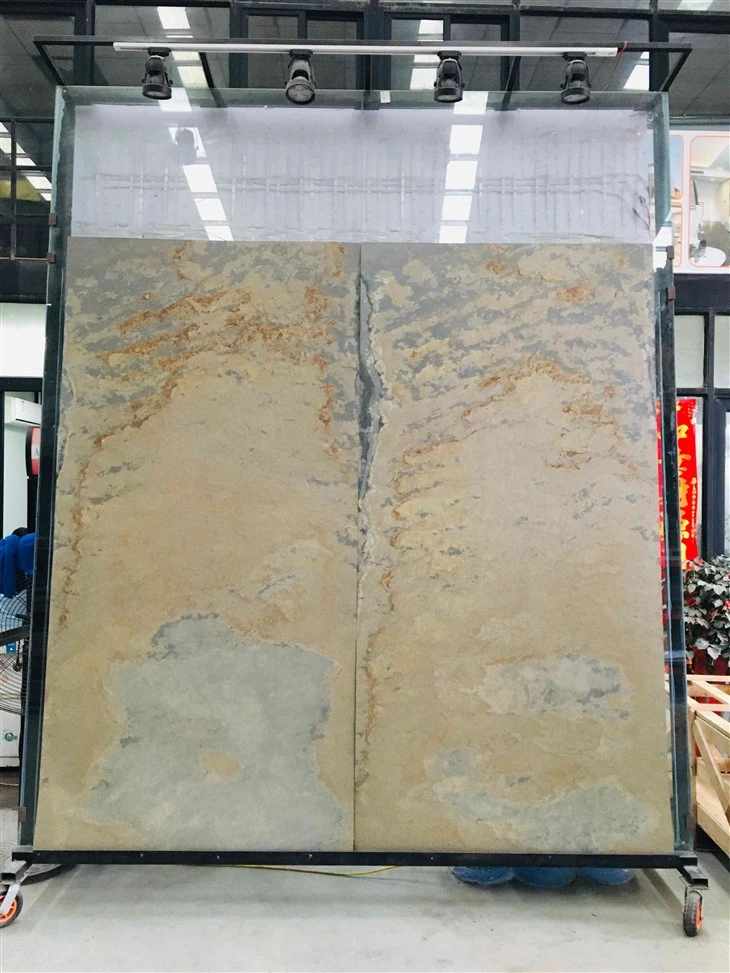
Another factor that affects the choice of thickness is the type of stone itself. Different stones have different properties, and some are more suitable for thinner cuts than others. For example, slate is a relatively soft and flexible stone, so it can be cut into thinner sheets more easily compared to harder stones like granite. Our Waterproof Thin Slate Veneer is a great example of a thin slate product that offers both beauty and functionality. It's perfect for areas where moisture might be an issue, like bathrooms or kitchens.
When it comes to interior wall decoration, the thickness of the stone can also impact the overall aesthetic. Thinner stones can create a more delicate and refined look, while thicker stones can give a more substantial and rustic feel. If you're going for a minimalist look, a 2mm stone might be the way to go. But if you want to make a bold statement, a 3mm or even 5mm stone could be more appropriate. Check out our Thin Stone Veneer For Interior Wall Decoration to see the different options available.
In addition to the aesthetic and practical considerations, the thickness of the stone also affects the installation process. Thinner stones are generally easier to cut and shape, which can save time and labor costs during installation. They also require less adhesive, which can further reduce the overall cost. However, they do need to be handled more carefully to avoid breakage.
So, how do you decide which thickness is right for your project? Well, it really depends on your specific needs and preferences. Here are a few questions to ask yourself:

- What is the intended use of the stone? Is it for an interior wall, an exterior facade, or something else?
- How much weight can the structure support? If weight is a concern, a thinner stone might be better.
- What kind of look are you going for? Do you want a delicate or a more substantial appearance?
- What is your budget? Thinner stones can be more expensive, so you need to make sure it fits within your financial constraints.
As a supplier, we're here to help you make the right decision. We have a team of experts who can answer all your questions and provide you with detailed information about the different thicknesses and types of Natural Ultra Thin Stone. We also offer samples, so you can see and feel the stone before making a final decision.
If you're interested in purchasing Natural Ultra Thin Stone for your project, don't hesitate to get in touch with us. We can discuss your requirements, provide you with a quote, and guide you through the entire process. Whether you're a contractor, an architect, or a homeowner, we're committed to providing you with the best quality products and services.
In conclusion, the thickness of Natural Ultra Thin Stone is an important factor to consider when choosing this product. It affects everything from the weight and durability to the aesthetic and installation process. By understanding the different thickness options and how they can impact your project, you can make an informed decision and create a beautiful and functional space. So, if you're ready to take your project to the next level with Natural Ultra Thin Stone, give us a call and let's start talking!
References:
- General knowledge of the natural stone industry and product characteristics.


