


Slate stone veneer has become a popular choice for outdoor applications in recent years, thanks to its natural beauty, durability, and versatility. As a supplier of high-quality slate stone veneer, I've had the privilege of witnessing firsthand how this material can transform outdoor spaces. In this blog, I'll explore how slate stone veneer performs in outdoor environments, discussing its unique features, benefits, and considerations.
Durability in Outdoor Conditions
One of the most significant advantages of slate stone veneer in outdoor settings is its exceptional durability. Slate is a metamorphic rock formed under high pressure and temperature, which gives it a dense and hard structure. This natural toughness allows slate veneer to withstand the rigors of outdoor weather conditions, including extreme temperatures, heavy rainfall, and UV exposure.
- Resistance to Weathering: Slate stone veneer is highly resistant to weathering, meaning it won't easily fade, crack, or deteriorate over time. This makes it an ideal choice for exterior cladding, retaining walls, and walkways that are constantly exposed to the elements. For example, in regions with harsh winters, slate veneer can endure freezing and thawing cycles without suffering damage, ensuring long-lasting performance.
- UV Stability: Unlike some other materials, slate does not fade or discolor when exposed to sunlight. Its natural pigments are stable, maintaining the vibrant colors and textures of the stone for years. This UV stability is crucial for outdoor applications, as it ensures that the appearance of the veneer remains consistent and attractive over time.
Aesthetic Appeal
In addition to its durability, slate stone veneer offers unparalleled aesthetic appeal in outdoor environments. Its unique textures, colors, and patterns add a touch of natural elegance to any outdoor space, creating a visually stunning and inviting atmosphere.

- Natural Beauty: Slate comes in a wide range of colors, from earthy tones like gray, black, and brown to more vibrant hues such as green and purple. These natural colors are complemented by the stone's distinctive grain patterns, which vary from smooth and uniform to rough and textured. The combination of color and texture gives slate veneer a rich and organic look that enhances the beauty of any outdoor design.
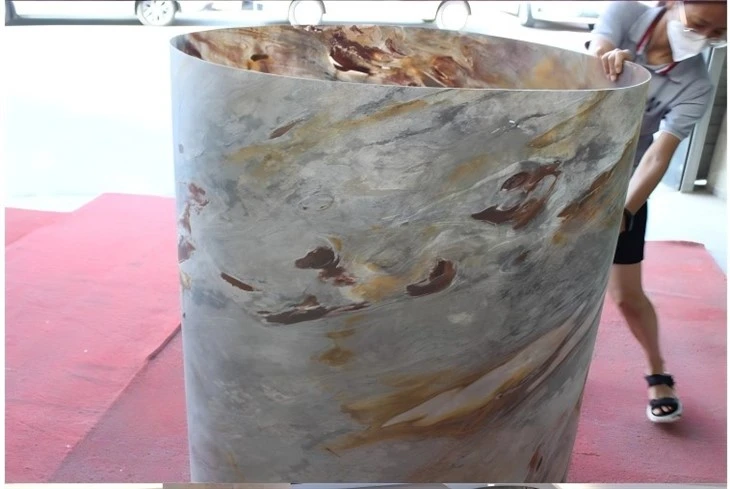
- Versatility in Design: Slate stone veneer is highly versatile, allowing for a variety of design possibilities. It can be used to create a traditional, rustic look or a more modern and contemporary aesthetic. Whether you're looking to build a cozy fireplace surround, a sleek outdoor kitchen, or a dramatic accent wall, slate veneer can be customized to suit your specific design preferences. For instance, Flexible Slate Veneer can be bent and shaped to fit curved surfaces, adding a unique and creative element to your outdoor project.
Low Maintenance
Another benefit of using slate stone veneer in outdoor environments is its low maintenance requirements. Unlike some other materials, slate does not require frequent cleaning or sealing, making it a convenient and cost-effective choice for homeowners and commercial property owners alike.
- Easy Cleaning: Slate veneer can be easily cleaned with a mild detergent and water. Simply rinse the surface with a hose or pressure washer to remove dirt, debris, and stains. For more stubborn stains, a gentle scrub with a soft brush may be necessary.
- Minimal Sealing: While slate is naturally resistant to water and stains, sealing the veneer can provide an extra layer of protection and enhance its longevity. However, unlike some other stones, slate does not need to be sealed frequently. A single application of a high-quality sealer every few years is usually sufficient to maintain the stone's performance and appearance.
Slip Resistance
Safety is an important consideration in outdoor environments, especially in areas prone to wet conditions, such as pool decks, patios, and walkways. Slate stone veneer offers excellent slip resistance, making it a safe choice for these applications.
- Natural Texture: The rough texture of slate provides a non-slip surface, even when wet. This natural slip resistance reduces the risk of accidents and injuries, making slate veneer an ideal choice for high-traffic outdoor areas.
- Enhanced Safety: In addition to its natural slip resistance, slate veneer can be treated with a special anti-slip coating for added safety. This coating further improves the traction of the surface, making it even safer in wet or icy conditions.
Environmental Sustainability
As more and more people become conscious of the environmental impact of their building choices, slate stone veneer offers a sustainable option for outdoor applications.
- Natural and Renewable Resource: Slate is a natural resource that is abundant and renewable. It is mined from quarries around the world, and the extraction process is relatively environmentally friendly compared to some other building materials.
- Energy Efficiency: Slate stone veneer has excellent thermal properties, which can help to improve the energy efficiency of your outdoor space. By providing insulation, slate veneer can reduce heat transfer, keeping your outdoor areas cooler in the summer and warmer in the winter. This can lead to lower energy costs and a more comfortable living environment.
Considerations for Outdoor Use
While slate stone veneer offers many benefits for outdoor applications, there are a few considerations to keep in mind to ensure its optimal performance.
- Proper Installation: Proper installation is crucial for the long-term performance of slate stone veneer. It is important to hire a professional installer who has experience working with slate and understands the specific requirements of outdoor installations. This includes ensuring proper surface preparation, using the correct adhesives and fasteners, and allowing for adequate drainage.
- Expansion and Contraction: Like all natural stones, slate expands and contracts with changes in temperature. To prevent cracking and damage, it is important to allow for expansion joints during installation. These joints provide room for the stone to move without causing stress or damage to the veneer.
- Chemical Resistance: While slate is generally resistant to most chemicals, it is important to avoid using harsh chemicals or abrasive cleaners on the surface of the veneer. These can damage the stone and affect its appearance. Instead, use mild detergents and water for cleaning.
Conclusion
In conclusion, slate stone veneer is an excellent choice for outdoor environments, offering a combination of durability, aesthetic appeal, low maintenance, slip resistance, and environmental sustainability. Whether you're looking to enhance the beauty of your home's exterior, create a functional outdoor living space, or add a touch of elegance to a commercial property, slate veneer can provide a long-lasting and visually stunning solution.
If you're interested in learning more about our Thin Slate Veneer Panels or Flexible Ultra Thin Stone Panel for your outdoor project, I encourage you to contact us for a consultation. Our team of experts can help you choose the right slate veneer product for your specific needs and provide guidance on installation and maintenance. Let's work together to transform your outdoor space into a beautiful and functional oasis.
References
- "Slate: A Natural Stone for Exterior Applications." Stone World Magazine.
- "The Durability of Slate in Outdoor Environments." Journal of Building Materials and Construction.
- "Aesthetic and Functional Benefits of Slate Stone Veneer." International Journal of Design and Architecture.


