
Is Thin Stone Veneer Real Natural Stone or Manufactured Stone?
A simple guide to understanding thin natural stone veneer, manufactured stone veneer, material differences, weight, exterior applications, and what buyers should check before ordering.


If you are looking for wall cladding and keep seeing the term thin natural stone veneer, you may have a simple question:
Is it actually real stone, or is it a manufactured product made to look like stone?
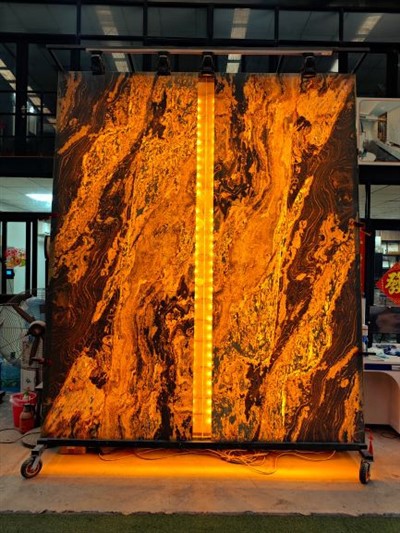
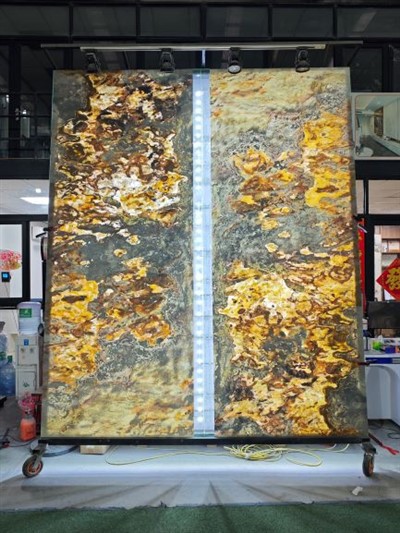
The short answer is simple: thin natural stone veneer is real natural stone. It starts with stone quarried from the earth and is then cut, split, or processed into a thinner format for use on walls and other surfaces.
The word "veneer" describes how the stone is used. It does not automatically mean that the material is artificial.
This is also different from manufactured stone veneer. Manufactured stone is made in a factory from cementitious materials, aggregates, pigments, and other ingredients and is designed to reproduce the appearance of natural stone.
For architects, contractors, importers, distributors, and project buyers, understanding this difference is important. The material source affects appearance, natural variation, weight, product selection, quality control, installation, and the information you should request from a supplier.
In this guide, we will explain the difference in plain English and look at what you should consider before buying natural stone veneer for wall cladding, an exterior facade, or a large commercial project.
Is Thin Stone Veneer Actually Real Stone?
Yes.
Thin natural stone veneer is made from real natural stone.
The process starts with natural stone from a quarry. Depending on the type of stone and the product design, the stone can be cut, split, calibrated, shaped, or finished into thinner pieces.
A simple way to understand the process is:
There is no concrete mold used to create the basic stone surface.
The color, texture, mineral patterns, small variations, and natural character come from the original stone.
This is why two pieces of natural stone veneer may not look exactly the same. That variation is one of the main differences between real stone and a manufactured product designed to imitate it.
If a buyer asks, "Is thin stone veneer real stone?"
The answer is yes - if it is natural thin stone veneer, the material itself comes from natural quarried stone.
What Is Thin Natural Stone Veneer?
Thin natural stone veneer is natural stone processed into a thinner format so that it can be used as a wall-facing material without the same thickness as traditional full-bed stone.
This makes it useful for many interior and exterior applications.
For example, imagine a hotel renovation where the designer wants the appearance of real stone on a large feature wall. The project may not need the full depth of traditional masonry stone. A thinner natural stone product can provide the desired stone appearance while using less material.

The same idea can apply to:
How Is Thin Natural Stone Veneer Made?
The manufacturing process is relatively easy to understand.
First, suitable natural stone is selected from the quarry.
The stone is then processed into the required format. Depending on the product, this can involve cutting or splitting the stone into thinner pieces.
After processing, the pieces can be sorted according to factors such as:
- Color
- Texture
- Thickness
- Size
- Surface appearance
- Visible defects
For a professional thin stone veneer manufacturer, quality control is important because natural stone is naturally variable.
What Is Manufactured Stone Veneer?

Manufactured stone veneer is different.
It is not cut from a natural stone block. Instead, it is produced from manufactured materials that are formulated and shaped to look like natural stone.
In simple terms:
That does not mean manufactured stone is automatically unsuitable. It simply means that the two products are different materials and should be evaluated according to the requirements of the project.
Manufactured Stone Veneer vs Natural Stone: What Is the Difference?
When comparing manufactured stone veneer vs natural stone, it is better to look at several factors instead of focusing on appearance alone.
| Feature | Thin Natural Stone Veneer | Manufactured Stone Veneer |
|---|---|---|
| Basic material | Natural quarried stone | Manufactured cement-based material and aggregates |
| Manufacturing process | Cutting, splitting, sizing and finishing natural stone | Mixing, molding and curing manufactured materials |
| Appearance | Naturally occurring texture and variation | Designed to reproduce a stone appearance |
| Color | Natural mineral-based variation | Controlled with pigments and production methods |
| Texture | Natural stone surface | Manufactured or molded texture |
| Pattern | Naturally different from piece to piece | Can be more consistent |
| Weight | Depends on stone type and thickness | Depends on product formulation and design |
| Thickness | Depends on stone and processing | Controlled during manufacturing |
Why Does Natural Stone Have Different Colors and Textures?
This is one of the first questions we hear from buyers who are new to natural stone.
"Will the production order look exactly like this?"
With natural stone, the honest answer is usually: there can be natural variation.
Natural stone forms over geological periods of time. Different minerals, layers, weathering, and conditions inside the quarry can influence the final appearance.

That means you may see differences in:
- Base color
- Veining
- Mineral spots
- Texture
- Layering
- Surface pattern
- Tone from one batch to another
This is not necessarily a quality problem.
In fact, it is part of what makes natural stone different from a factory-made imitation.
Natural variation and unacceptable defects are not the same thing. For a commercial order, the buyer and supplier should agree on reasonable quality expectations before production.
Can Thin Natural Stone Veneer Be Used for Exterior Walls?
Yes, natural thin stone veneer can be used for exterior wall cladding and facade applications when the selected stone and installation system are appropriate for the project.
What Should Buyers Check Before Ordering Thin Natural Stone Veneer?
If you are an importer, wholesaler, contractor or project buyer, here is a practical checklist.
Ask exactly what natural stone is being supplied. Do not rely only on a commercial color name.
Ask for nominal thickness, actual thickness range, and thickness tolerance.
Ask for the actual weight per m², ft², piece, or pallet depending on how you calculate your project.
Confirm standard sizes, custom sizes, length and width tolerance, and corner pieces if needed.
Ask what level of natural variation should be expected.
Ask how the factory handles cracks, chips, broken pieces, surface defects, and unacceptable color variation.
For international shipping, ask how the stone will be packed for a full container shipment.
If you are ordering a project quantity, ask whether the supplier can produce the full quantity within your required schedule.
A sample helps you understand the product, but natural stone variation means every piece will not necessarily look identical.
For distributors and wholesalers, ask whether the supplier can maintain a reasonable level of consistency for future orders.


What Should You Ask a Thin Stone Veneer Factory?
Before placing a large order, you can send a supplier a simple list like this:
- What natural stone types do you produce?
- What thicknesses are available?
- What is the actual weight per square meter?
- What sizes can you supply?
- What is the expected natural color variation?
- How do you inspect the stone before packing?
- How are broken or defective pieces handled?
- How is the product packed for export?
- What is the normal production lead time?
- Can you provide samples before bulk production?
- Can you support repeat project orders?
- Can you provide the technical information required for my market?
You do not need complicated technical language. A good supplier should be able to give you clear answers.
If you are comparing manufactured stone veneer vs natural stone, remember the simplest difference:
Natural stone veneer is made from natural quarried stone. Manufactured stone veneer is made from manufactured materials designed to look like stone.
The word "veneer" does not mean "fake." It describes the way the stone is used.

Frequently Asked Questions About Thin Natural Stone Veneer
1. Is thin stone veneer made from real stone?
Yes. Thin natural stone veneer is made from real natural stone that has been quarried and then cut, split, sized or otherwise processed into a thinner format. The stone's basic color, texture and mineral character come from the natural material. It is different from manufactured stone veneer, which is produced from manufactured ingredients such as cementitious materials, aggregates and pigments. When buying, always confirm whether the product is natural stone or manufactured stone because the word "veneer" alone does not identify the material source.
2. What is the difference between natural stone veneer and manufactured stone veneer?
The main difference is the material itself. Natural stone veneer starts with stone taken from a quarry, while manufactured stone veneer is made in a factory from materials formulated and shaped to reproduce the appearance of natural stone. Natural stone normally has natural differences in color, texture and mineral patterns, while manufactured stone can offer more controlled and repeatable appearance. For a project, buyers should also compare weight, thickness, installation requirements, durability data, supply capacity and local building requirements.
3. Is thin natural stone veneer suitable for exterior walls?
Thin natural stone veneer can be suitable for exterior walls and facade applications when the selected stone, thickness and installation system are appropriate for the project. Climate, moisture exposure, wall construction, installation method and local building requirements all need to be considered. For an exterior project, do not choose a stone based only on appearance. Ask the supplier for product information and have the complete wall system reviewed according to the requirements of the project location.
4. How much does thin natural stone veneer weigh?
There is no single weight that applies to every natural stone veneer product. The actual weight depends mainly on the type of stone, thickness, size and surface area. For this reason, buyers should ask the thin stone veneer manufacturer for the actual weight per square meter or square foot of the exact product being purchased. This information is especially useful for commercial projects because it can affect wall-load calculations, handling, pallet planning, container loading and international shipping costs.
5. Can I buy thin natural stone veneer directly from a manufacturer?
Yes. Importers, wholesalers, distributors and project buyers can source thin natural stone veneer directly from a manufacturer or factory. For larger orders, direct communication can make it easier to discuss stone type, thickness, sizes, quality requirements, packaging and production schedules. Before placing a large or whole-container order, ask for samples, product specifications, actual weight, quality-control information, packaging details and production lead time. A reliable factory should be able to explain these points clearly before you commit to the order.
Sourcing Thin Natural Stone Veneer for Your Project?
Before placing a bulk or project order, compare the actual stone type, thickness, weight, size, natural variation, quality control, packaging and production capacity. These details can make a significant difference in an international stone purchase.