


When it comes to interior design, thin stone slabs have emerged as a versatile and stylish choice for enhancing the aesthetic appeal of any room. As a leading supplier of high-quality thin stone slabs, I've witnessed firsthand how these materials can transform spaces. In this blog, I'll share some expert tips on how to match thin stone slabs with other elements in a room to create a cohesive and visually stunning environment.
Understanding the Characteristics of Thin Stone Slabs
Before diving into the matching process, it's essential to understand the unique characteristics of thin stone slabs. These slabs are typically made from natural stones such as marble, slate, or limestone, and are cut to a thickness of a few millimeters. This makes them lightweight, easy to install, and suitable for a variety of applications, including walls, floors, backsplashes, and countertops.
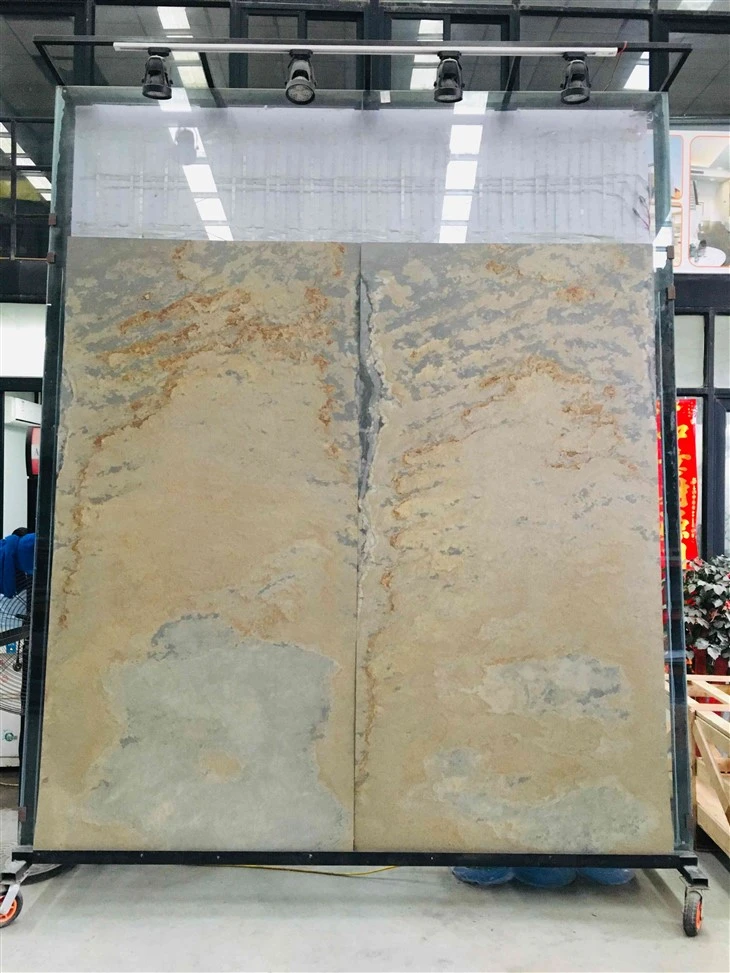
One of the key advantages of thin stone slabs is their natural beauty. Each slab has its own unique pattern, color, and texture, which can add a touch of elegance and sophistication to any room. Additionally, thin stone slabs are durable, resistant to scratches and stains, and can withstand high traffic areas, making them a practical choice for both residential and commercial spaces.

Color Coordination
Color is one of the most important factors to consider when matching thin stone slabs with other elements in a room. The color of the stone slab should complement the existing color scheme of the room, while also adding a pop of contrast to create visual interest.
- Neutral Colors: If you have a neutral color scheme in your room, such as white, beige, or gray, you can choose a thin stone slab in a similar color to create a cohesive and harmonious look. For example, a white marble slab can be paired with white walls and light wood furniture to create a clean and modern aesthetic.
- Bold Colors: If you want to make a statement, you can choose a thin stone slab in a bold color, such as black, red, or blue. These colors can add a dramatic touch to your room and create a focal point. However, it's important to use bold colors sparingly and balance them with neutral elements to avoid overwhelming the space.
- Complementary Colors: Another option is to choose a thin stone slab in a complementary color to the existing color scheme of the room. Complementary colors are opposite each other on the color wheel, and when paired together, they create a vibrant and dynamic look. For example, a green slate slab can be paired with a red accent wall or furniture to create a bold and eye-catching contrast.
Texture and Pattern
In addition to color, texture and pattern are also important factors to consider when matching thin stone slabs with other elements in a room. The texture and pattern of the stone slab should complement the existing texture and pattern of the room, while also adding a unique and interesting element.
- Smooth and Glossy: If you have a smooth and glossy finish in your room, such as a painted wall or a polished floor, you can choose a thin stone slab with a similar finish to create a cohesive and modern look. For example, a polished marble slab can be paired with a glossy white backsplash and stainless steel appliances to create a sleek and contemporary kitchen.
- Rough and Textured: If you want to add a rustic or natural touch to your room, you can choose a thin stone slab with a rough and textured finish, such as a honed marble or a brushed slate. These finishes can add a sense of warmth and character to your room and create a cozy and inviting atmosphere.
- Patterned Stone: Another option is to choose a thin stone slab with a unique pattern, such as a veined marble or a striped slate. These patterns can add a visual interest and focal point to your room and create a one-of-a-kind look. However, it's important to use patterned stone sparingly and balance it with solid-colored elements to avoid overwhelming the space.
Furniture and Accessories
When matching thin stone slabs with other elements in a room, it's important to consider the furniture and accessories in the space. The furniture and accessories should complement the color, texture, and pattern of the stone slab, while also adding a personal touch and style.
- Wood Furniture: Wood furniture is a classic and timeless choice that can complement any type of thin stone slab. The warm and natural tone of the wood can add a sense of warmth and comfort to your room, while also creating a contrast with the cool and sleek look of the stone. For example, a walnut wood dining table can be paired with a white marble backsplash and chairs to create a sophisticated and elegant dining room.
- Metal Furniture: Metal furniture is a modern and contemporary choice that can add a sleek and industrial touch to your room. The shiny and reflective surface of the metal can create a contrast with the natural and organic look of the stone, while also adding a sense of luxury and sophistication. For example, a chrome coffee table can be paired with a black slate floor and a leather sofa to create a stylish and contemporary living room.
- Textile Accessories: Textile accessories, such as curtains, rugs, and pillows, can add a soft and cozy touch to your room, while also complementing the color and texture of the stone slab. The texture and pattern of the textile can create a contrast with the smooth and hard surface of the stone, while also adding a sense of warmth and comfort. For example, a wool rug can be paired with a beige marble floor and a linen sofa to create a cozy and inviting living room.
Lighting
Lighting is another important factor to consider when matching thin stone slabs with other elements in a room. The right lighting can enhance the beauty and texture of the stone slab, while also creating a warm and inviting atmosphere.
- Natural Light: Natural light is the best way to showcase the beauty of thin stone slabs. If possible, choose a room with plenty of windows or skylights to allow natural light to flood in. The sunlight can highlight the natural pattern and color of the stone, while also creating a bright and airy atmosphere.
- Artificial Light: If natural light is limited, you can use artificial light to enhance the beauty of the stone slab. There are several types of artificial light that you can use, including recessed lighting, pendant lighting, and wall sconces. The type of lighting you choose will depend on the style and function of the room. For example, recessed lighting can be used to provide general illumination, while pendant lighting can be used to create a focal point or highlight a specific area of the room.
Conclusion
Matching thin stone slabs with other elements in a room requires careful consideration of color, texture, pattern, furniture, accessories, and lighting. By following these tips, you can create a cohesive and visually stunning environment that showcases the natural beauty and elegance of thin stone slabs.
As a supplier of high-quality thin stone slabs, I offer a wide range of products to suit your needs and preferences. Whether you're looking for Flexible Slate Sheets, 2mm Ultra Thin Marble Sheets, or Waterproof Thin Slate Veneer, I have the perfect solution for you.
If you're interested in learning more about our products or would like to discuss your project, please don't hesitate to contact me. I'd be happy to help you choose the right thin stone slabs for your space and provide you with expert advice and guidance.
References
- Interior Design: Principles and Practices by Madeline P. Levine
- The Decorating Bible by Emma Sims-Hilditch
- Home Decorating for Dummies by Debra Prato


