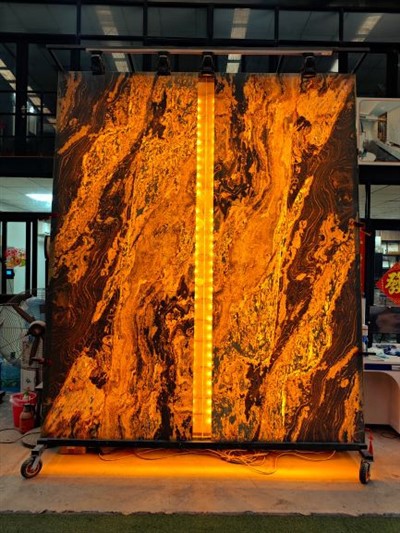
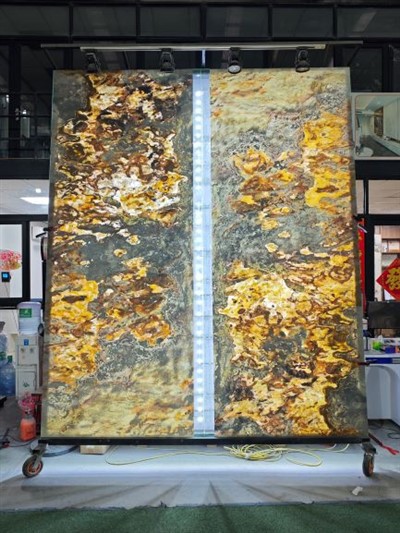
In today's dynamic construction and design industries, the demand for natural stone finishes is skyrocketing - yet traditional stone materials often pose a significant challenge. Full-thickness sandstone cladding can weigh up to 30-50 kg/m², requiring reinforced structures, expensive transportation, and labor-intensive installation. By contrast, thin sandstone veneer offers a revolutionary solution: with thicknesses ranging from 1mm to 3mm and a weight reduction of up to 90%, it drastically cuts installation time, cost, and structural load, making it the smart choice for modern projects.
Data shows that projects using thin stone veneer save 25-40% on overall material and labor costs compared to traditional masonry. Additionally, eco-conscious builders favor thin stone products, as they reduce quarrying waste and lower the carbon footprint associated with transport. In an era where both sustainability and efficiency are key, understanding the versatile applications of thin sandstone veneer can be the difference between a good project - and an outstanding one.
What Is Thin Sandstone Veneer?
Thin sandstone veneer is a natural stone surface layer that is carefully split from premium sandstone blocks. It preserves the genuine texture, color variation, and durability of full stone while being far lighter and more flexible. Typically bonded to a fiberglass, polyester resin, or cotton backing, thin sandstone veneer panels can adapt to both flat and curved surfaces with ease.
Thanks to advanced production techniques, thin sandstone veneer captures the authentic beauty of natural stone while solving the weight, cost, and installation challenges faced by traditional building stones.
Key Advantages of Thin Sandstone Veneer
Before diving into application specifics, it's essential to understand why thin sandstone veneer is rapidly becoming a top choice for designers, builders, and homeowners alike:
Lightweight: Drastically reduces structural load and supports easier handling.
Cost-Effective: Lower transport and installation expenses.
Flexible and Adaptable: Ideal for complex shapes and curves.
Sustainable: Minimizes natural resource usage and reduces environmental impact.
Authentic Aesthetic: Maintains the unique natural patterns and colors of sandstone.
Durable: Resistant to UV, moisture, and temperature fluctuations.
By embracing thin sandstone veneer, projects gain the visual richness of real stone without the associated complications.
Applications of Thin Sandstone Veneer
1. Interior Wall Cladding
One of the most common uses of thin sandstone veneer is in interior wall applications. Whether it's a feature wall in a living room, a reception area in a commercial building, or an upscale restaurant, sandstone veneer brings warmth, texture, and timeless elegance.
Residential Spaces: Bedrooms, living rooms, bathrooms
Commercial Interiors: Hotels, lobbies, office feature walls
Retail Stores: Creating a luxurious ambiance
The thin profile ensures it can be easily installed over drywall, plywood, or MDF without needing major reinforcement.
2. Exterior Facades
With modern architectural trends emphasizing natural finishes, thin sandstone veneer is a preferred material for exterior facades. It can withstand a wide range of weather conditions, including rain, sun, and frost, making it highly durable.
Home Exteriors: Enhancing curb appeal
Commercial Buildings: Sustainable, elegant facades
High-rise Buildings: Reducing facade load weight
Moreover, using lightweight sandstone panels can significantly reduce the need for heavy structural steel supports, cutting construction costs.
3. Fireplace Surrounds
A fireplace clad in thin sandstone veneer creates a stunning centerpiece that exudes warmth and character. Because thin stone is easier to work with around detailed structures like mantels and hearths, it offers designers more flexibility to achieve customized looks.
Traditional Fireplaces: Rustic, cozy vibes
Contemporary Fireplaces: Sleek, modern designs
4. Kitchen and Bathroom Applications
Water resistance and aesthetic appeal make thin sandstone veneer an excellent choice for:
Kitchen Backsplashes
Bathroom Accent Walls
Shower Enclosures (when properly sealed)
Unlike heavier stones, thin veneers don't require substantial wall modifications, which makes retrofitting in renovations much simpler.
5. Furniture and Product Design
A growing trend in luxury design is applying thin sandstone veneer to furniture pieces:
Tabletops
Cabinet Doors
Headboards
Custom Art Installations
Its flexibility allows for creative freedom rarely possible with thick stone slabs.
6. Mobile and Temporary Installations
Because of its lightweight and easy-to-install nature, thin sandstone veneer is ideal for:
Trade Show Booths
Pop-Up Stores
Event Decorations
Panels can be mounted temporarily or semi-permanently without expensive structural investments.
7. Outdoor Landscaping Projects
Thin sandstone veneer also shines in outdoor landscaping:
Garden Walls
Outdoor Kitchens
Water Features and Fountains
It adds a natural touch without adding significant structural burden, especially crucial for installations in soft soil areas.
How to Install Thin Sandstone Veneer Properly
Installation of thin sandstone veneer involves a few key steps:
Surface Preparation: Clean and prime the substrate for best adhesion.
Adhesive Application: Use high-quality thin-set mortar or specific stone adhesive.
Panel Placement: Start from the bottom, working upward in staggered patterns for natural looks.
Sealing: After curing, apply a penetrating sealer to enhance water resistance and stain protection.
Proper installation maximizes the veneer's lifespan and preserves its beauty.
Future Trends in Thin Sandstone Veneer Applications
The future of thin sandstone veneer looks incredibly promising:
Integration with Smart Homes: Stone walls embedded with smart lighting.
Customized 3D Designs: Laser-etched textures and personalized patterns.
Eco-Smart Buildings: Stone veneers used in net-zero energy projects.
As innovations continue, the versatility of thin sandstone veneer will only expand further into residential, commercial, and industrial sectors.

Frequently Asked Questions (FAQ) About Thin Sandstone Veneer
1. What is the difference between thin sandstone veneer and full-thickness stone?
Thin sandstone veneer is a slice of natural sandstone, typically 2–7mm thick, while full-thickness stone can be several centimeters thick and much heavier. Thin veneer is lighter, easier to install, and more cost-effective, making it ideal for both retrofit and new construction projects.
2. Can thin sandstone veneer be used outdoors?
Yes, thin sandstone veneer is highly suitable for exterior applications, including building facades, garden walls, and outdoor kitchens. When properly sealed and installed, it withstands weather variations such as rain, heat, and frost.
3. How durable is thin sandstone veneer compared to regular stone?
Despite its reduced thickness, thin sandstone veneer maintains excellent durability. It resists UV rays, moisture, and minor impacts. With correct installation and sealing, it can last for decades, similar to full-thickness stone.
4. Is thin sandstone veneer difficult to install?
Not at all. Thin sandstone veneer is easier to handle and install than traditional heavy stone. It can be mounted using adhesives or mortars on various substrates like drywall, concrete, or plywood. Professional installation ensures the best results, but experienced DIYers can also achieve great finishes.
5. How do I maintain surfaces clad with thin sandstone veneer?
Maintenance is minimal. Clean the surface regularly with a soft brush or mild detergent. For exterior applications, it's advisable to reapply a breathable, penetrating stone sealer every few years to protect against stains and moisture.
Conclusion
Thin sandstone veneer represents a perfect fusion of natural beauty, functionality, and sustainability. From sleek modern interiors to rustic outdoor retreats, its application possibilities are vast and ever-growing. Whether you are designing a cozy living room, outfitting a commercial facade, or dreaming up a new product line, thin sandstone veneer offers the authentic charm of stone - without the heavy burdens of traditional materials.
By leveraging thin sandstone veneer, you not only elevate the aesthetics of your spaces but also embrace smarter, greener, and more efficient building practices.