
The core differences between thin sandstone veneer and traditional stone veneer are primarily reflected in material properties, construction methods, scope of application, and comprehensive cost. Here's a detailed analysis:

1. Material Properties
Thin Sandstone Veneer:
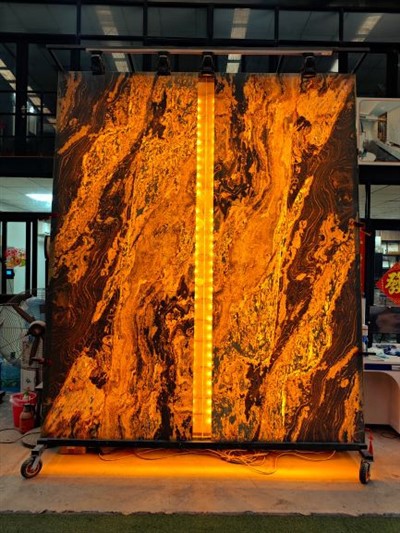
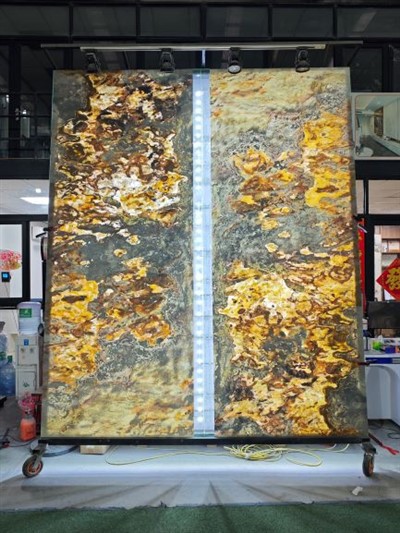
Thickness: Typically 5-30 mm, with natural sandstone processed into ultra-thin sheets using modern cutting technology (e.g., high-pressure water jet or diamond saw blade).
Weight: Only 1/3 to 1/5 of traditional stone, significantly reducing the structural load.
Surface Treatment: Retains the original texture of natural sandstone, or the texture can be enhanced via processes like sandblasting or pickling. It can also be combined with other materials (e.g., honeycomb aluminum panels) to improve performance.
Traditional Stone Veneer:
Thickness: Conventional thickness ranges from 20-50 mm, requiring enough strength to withstand cutting and installation pressure.
Weight: Larger unit area weight, requiring high building load-bearing capacity.
Natural Properties: Fully dependent on the physical properties of the natural stone, susceptible to weathering and water stains over time.
2. Construction Method
Thin Sandstone Veneer:
Dry Hanging System: Fixed with a light keel or embedded hangers, eliminating the need for a complex steel frame structure.
Glue Method: Can be directly attached to a flat base (e.g., gypsum board, cement board) with special adhesive, ideal for indoor walls.
Modular Installation: Due to the thin thickness, large-size panels can be prefabricated, reducing joints and enhancing the overall visual effect.
Traditional Stone Veneer:
Wet Pasting Method: Cement mortar needs to be spread completely, requiring a highly flat base and a longer construction period.
Heavy Dry Hanging: Relies on a steel frame support, involving a complex structure and higher costs, generally used for high-rise building facades.
Joint Treatment: Thick plate splicing often leads to misalignment, requiring additional caulking and waterproofing.
3. Scope of Application
Thin Sandstone Veneer:
Indoor Application: Suitable for light-load areas like walls, background walls, and furniture veneer.
Renovation Projects: Ideal for renovating old buildings without needing to reinforce the original structure.
Special Design: Flexible thin plates can be bent to fit curved surfaces.
Traditional Stone Veneer:
Outdoor Projects: Used in high-durability and weather-resistant scenarios such as exterior walls and floors.
High Load-Bearing Requirements: Ideal for parts that need to withstand mechanical pressure, such as countertops and stairs.
Historical Buildings: Requires matching the thickness and texture of the original stone during restoration.
4. Comprehensive Cost
Thin Sandstone Veneer:
Material Cost: Slightly higher than traditional stone due to more complex processing, but transportation and installation costs are significantly reduced.
Maintenance Cost: The surface can be treated with nano-coating for anti-fouling and anti-seepage, making long-term maintenance easier.
Traditional Stone Veneer:
Hidden Costs: Additional structural reinforcement costs (e.g., concrete base or steel frame) must be calculated.
Maintenance Costs: Prone to hollowing and falling off, requiring regular checks on sealants and waterproof layers.
5. Environmental Protection
Thin Sandstone Veneer:
High Resource Utilization: A single piece of sandstone raw stone can be cut into multiple thin plates, reducing the amount of mining.
Low-Carbon Transportation: Its lightweight nature reduces logistics carbon emissions.
Traditional Stone Veneer:
High Resource Consumption: Thick plate cutting leads to low raw stone utilization and considerable waste.
High Energy Consumption: Mining, transportation, and construction processes have a larger carbon footprint.
Selection Suggestions
For lightweight design and flexibility (e.g., modern interior decoration, curved surfaces) → Choose Thin Sandstone Veneer.
For high strength and durability (e.g., outdoor plazas, load-bearing countertops) → Choose Traditional Stone Veneer.
If the budget is limited but a natural texture is desired → Thin Sandstone Veneer can help reduce overall costs.