
NATURAL STONE GUIDE
Why Does Natural Thin Stone Veneer Look Different from Sheet to Sheet?
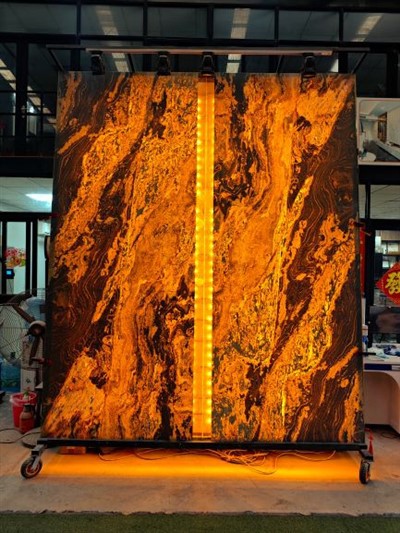
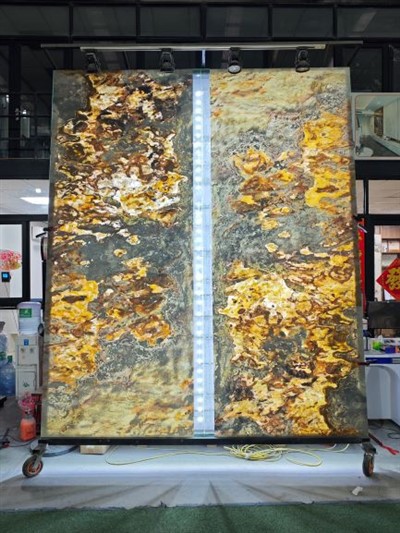
When buying natural thin stone veneer, you may notice that different sheets have slightly different colors, veins, and patterns. Is this a quality problem?
Not necessarily. Natural stone comes from geological formations, so variations in color and texture are normal. Unlike printed decorative panels, natural stone does not have a completely uniform pattern.
For importers, distributors, architects, and project buyers, understanding these differences helps avoid misunderstandings and makes material selection easier.
Why Does Natural Stone Have Different Colors and Patterns?
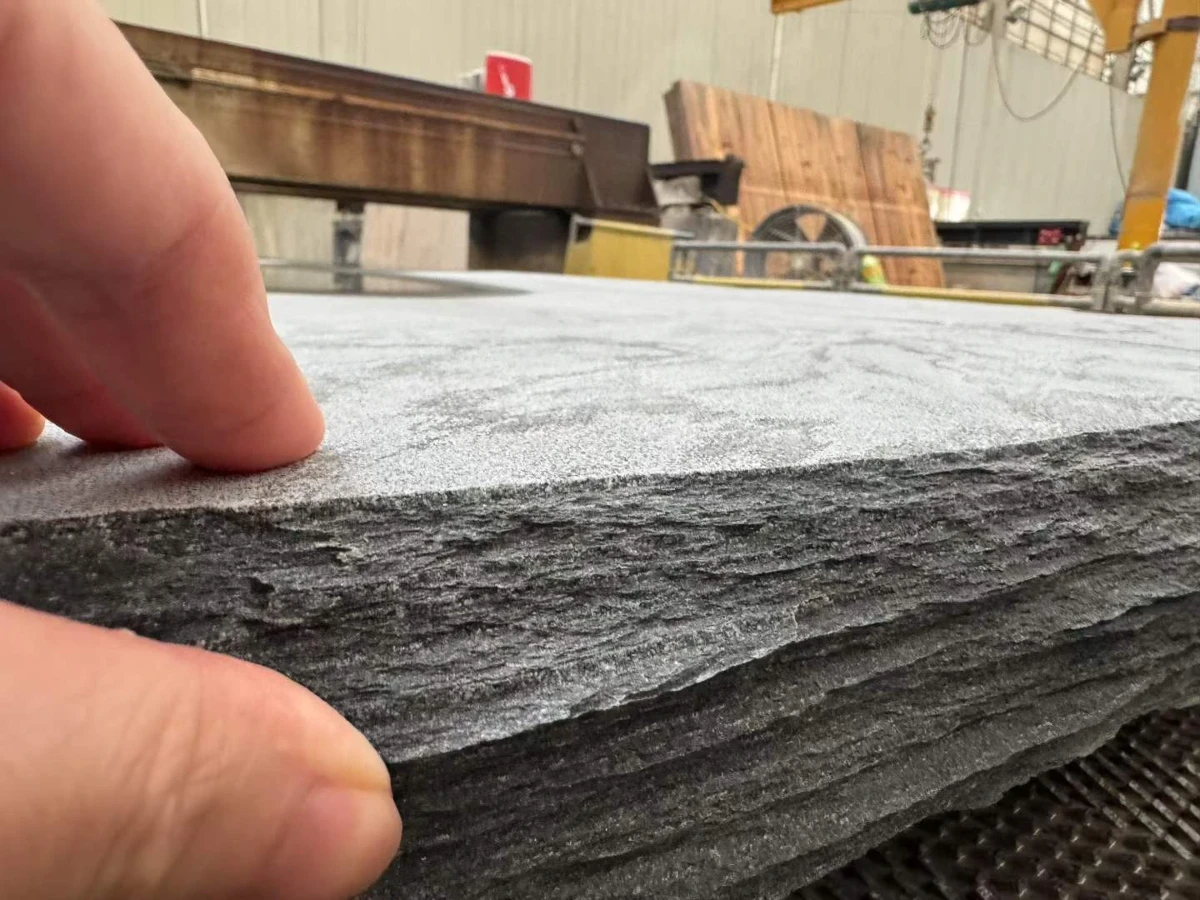
Natural stone forms over long geological periods. Differences in mineral composition and the stone's geological structure create unique colors, veins, markings, and textures.
Even sheets from the same type of stone may not look exactly alike. One sheet may have more prominent veins, while another may show a more consistent color or a different distribution of mineral markings.
With natural-surface thin stone veneer, the visible face retains the original character of the natural stone. The thickness is reduced, but the natural appearance remains.
These variations are part of the material's character rather than an indication of artificial printing or a manufactured surface pattern.
What Differences Should Buyers Expect?
When reviewing natural stone veneer sheets, buyers may notice variations in several areas:
- Base color: The overall tone may vary slightly between sheets.
- Veins and markings: The direction, density, and visibility of natural veins may differ.
- Texture: Natural surface details may vary across the material.
- Pattern distribution: Some sheets may look more dramatic, while others have a simpler appearance.
- Batch variation: Material supplied at different times may have visible differences.
The degree of variation depends on the stone type and the available material. Buyers should discuss their expectations with the supplier before placing a bulk order.
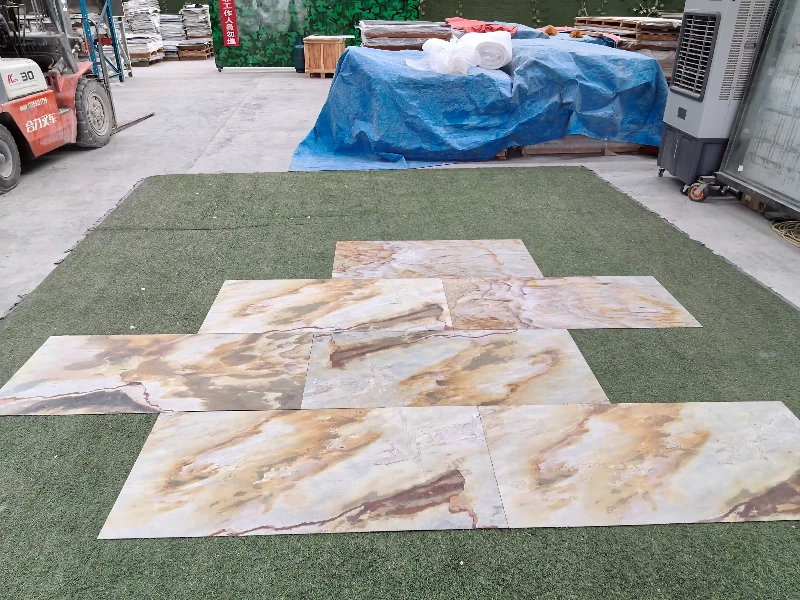
Natural Variation vs. Product Defects
Natural variation and unacceptable defects are not the same thing. Understanding the difference is important when purchasing natural stone veneer sheets for commercial projects.
| Natural Variation | Potential Quality Concern |
|---|---|
| Slightly different natural colors | Color outside the agreed selection or specification |
| Different natural veins and markings | Cracks or damage that affect the intended application |
| Different distributions of natural patterns | Chips or other damage beyond the agreed quality requirements |
The acceptance criteria should be agreed upon before ordering. This is particularly important for large projects where appearance and material consistency matter.
How Can Buyers Get More Consistent Results?
Natural stone cannot be made completely uniform, but careful planning can help achieve a more coordinated appearance.
1. Review Current Material Photos
Do not rely on a catalog image alone. Ask your supplier for recent photos of the available stone so you can better understand its color range and natural patterns.
2. Confirm the Appearance Before Bulk Ordering
For a hotel, retail store, reception area, or feature wall, explain the project's preferred color range and overall appearance before confirming the order.
3. Plan the Full Project Quantity
When possible, coordinate the material requirements for the entire project in advance. Discuss availability and batch selection with your supplier, especially when future additions may need to match an existing installation.
4. Understand the Limits of Samples
A sample helps you evaluate the stone type, natural surface, and general color. However, one sample cannot represent every sheet in a larger order. Some differences should be expected with natural materials.
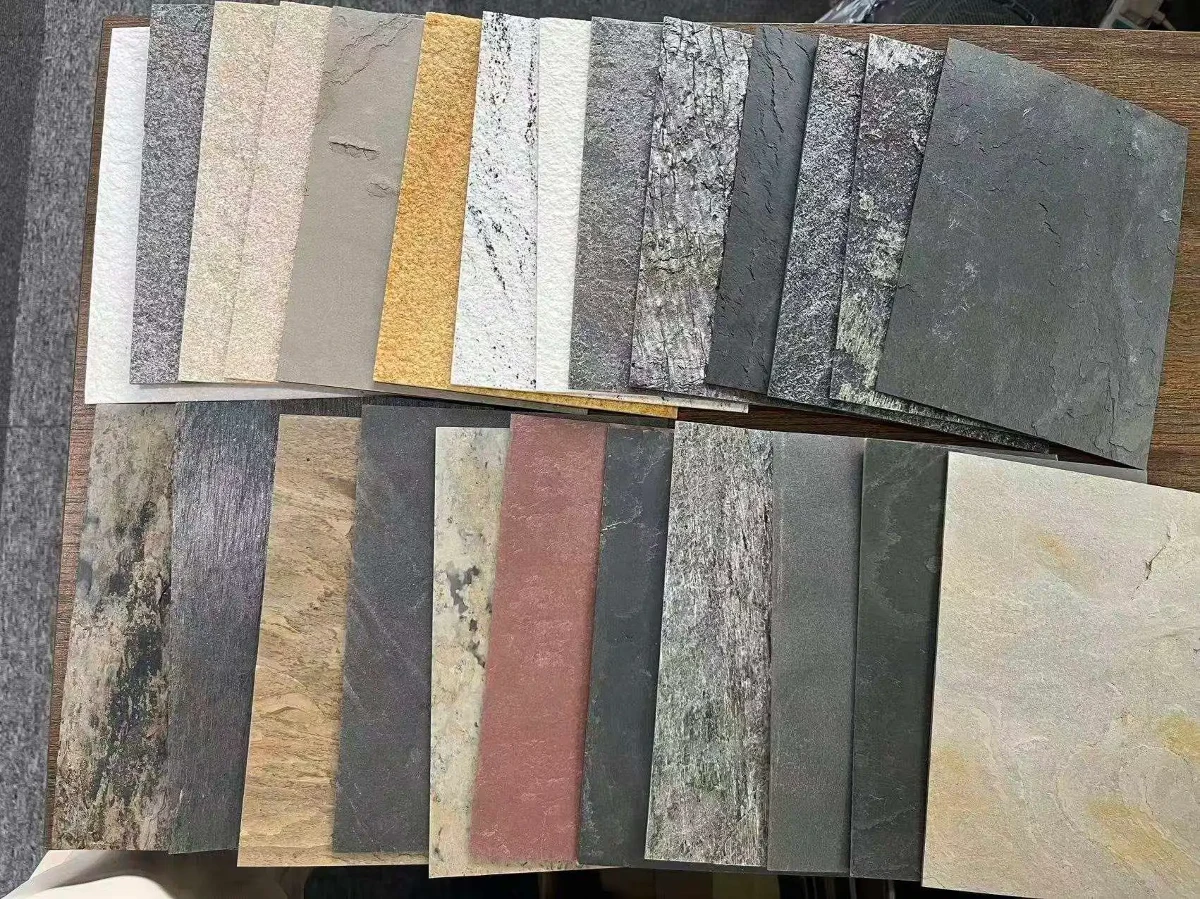
What Should You Ask a Thin Stone Veneer Manufacturer?
Before placing a bulk order, buyers can confirm a few practical details:
- What natural color and pattern variations should be expected?
- Can the factory provide current photos of the available material?
- What quality requirements apply to cracks, chips, and other visible defects?
- Can the planned quantity be coordinated for the project?
- What should be considered when placing repeat orders?
Clear communication before ordering helps both parties establish realistic expectations and reduces the risk of disputes after delivery.
Frequently Asked Questions
1. Is it normal for natural thin stone veneer sheets to look different?
Yes. Natural stone can vary in color, veins, and surface patterns. The degree of variation depends on the type of stone and the available material.
2. Will bulk orders look exactly like the sample?
Not necessarily. A sample represents the material's general appearance, but individual sheets may differ. Review current material photos and agree on reasonable appearance expectations before ordering.
3. Can natural stone veneer have a uniform appearance?
A coordinated appearance may be possible through careful material selection and layout planning, but complete uniformity should not be expected from natural stone.
4. Should distributors consider natural variation when purchasing?
Yes. Distributors should explain natural variation to their customers and discuss material selection with the manufacturer, especially for large projects and repeat orders.
Sourcing Natural Thin Stone Veneer for Your Project?
Life1996 is a direct manufacturer of natural ultra-thin stone products. Our products retain the natural stone surface, giving each sheet its own natural character.
Whether you are sourcing material for distribution or a commercial project, contact us to discuss available stone types, natural patterns, and project quantities.
Natural Stone · Thin Veneer · Project Supply