
Why Natural Thin Stone Veneer Is a Better Choice for Renovation Projects
When upgrading old buildings, hotels, commercial spaces, or residential interiors, many designers want to add the natural appearance of stone while avoiding major structural changes.
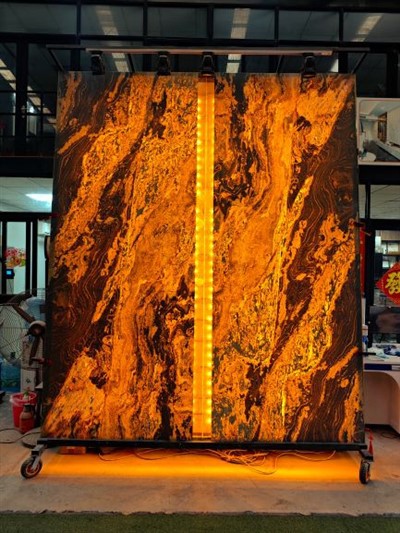
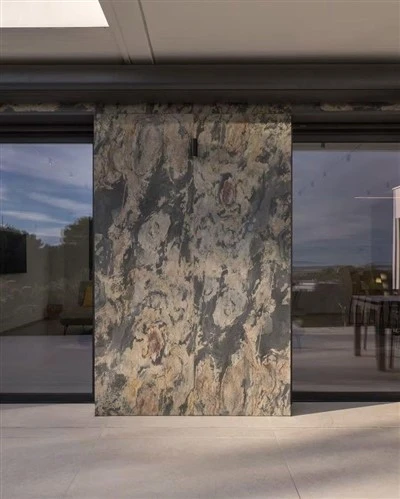
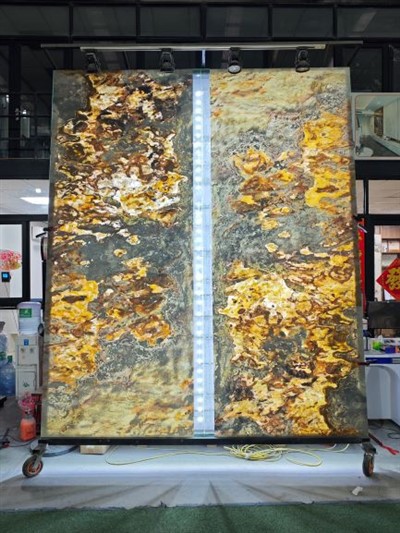
Unlike traditional thick stone panels, natural thin stone veneer combines a real stone surface with a lightweight structure, making it suitable for many renovation applications.

Why Renovation Projects Choose Thin Stone Veneer
|
Traditional stone slabs can create challenges during renovation because of their weight and thickness. Existing structures may not always be designed to support additional heavy materials. Natural thin stone veneer reduces these limitations while keeping the authentic appearance of real stone. ✔ Real natural stone surface
✔ Lightweight solution ✔ Suitable for renovation projects |
 |
Surface Preparation Before Installing Stone Veneer Over Existing Walls
One of the most important factors in renovation projects is the condition of the existing surface. Different wall finishes require different preparation methods before installing natural thin stone veneer.
Smooth Surfaces Require Better Bonding Preparation
Existing surfaces such as ceramic tiles, polished stone, or other smooth finishes usually have limited bonding ability because of their low surface roughness.
For these applications, the surface may need to be mechanically roughened or properly treated to improve adhesive bonding performance.
✔ Remove dust, grease, and loose materials
✔ Ensure a stable bonding surface
Rough Surfaces Also Need Proper Evaluation
Rough walls do not always mean better adhesion. Existing plaster, cement surfaces, or textured walls should be checked to ensure they are stable, clean, and suitable for installation.
Depending on the substrate condition, additional surface preparation such as applying a suitable bonding layer or surface treatment may be required.
Common Renovation Surfaces and Preparation Suggestions
| Existing Surface | Recommended Preparation |
| Ceramic Tile | Surface roughening and cleaning may improve bonding performance |
| Smooth Concrete | Proper surface treatment may be required |
| Old Plaster Wall | Check stability and repair damaged areas |
| Rough Cement Surface | Ensure the surface is firm and free from loose materials |
Applications in Renovation Projects
Natural thin stone veneer can be used to upgrade many existing spaces, including:
✔ Residential feature walls
✔ Fireplace renovation
✔ Hotel remodeling projects
✔ Commercial interior upgrades
✔ Exterior wall decoration