


Marble has long been a symbol of luxury and elegance, gracing the interiors and exteriors of some of the world's most prestigious buildings. In recent years, the advent of ultra thin marble sheets has revolutionized the stone industry, offering a lightweight, versatile, and cost - effective alternative to traditional thick marble slabs. One of the key properties that potential buyers and architects often inquire about is the water permeability of ultra thin marble sheets. As a leading supplier of Ultra Thin Marble Sheets, I am here to shed light on this important aspect.
Understanding Water Permeability
Water permeability refers to the ability of a material to allow water to pass through it. In the context of ultra thin marble sheets, this property is crucial for several reasons. Firstly, in exterior applications, the marble is exposed to rain, snow, and other forms of precipitation. If the marble has high water permeability, water can seep into the material, leading to problems such as staining, efflorescence (the formation of white salt deposits on the surface), and even structural damage over time. Secondly, in interior applications, especially in areas with high humidity like bathrooms and kitchens, water permeability can cause the marble to absorb moisture, which may affect its appearance and durability.
Factors Affecting the Water Permeability of Ultra Thin Marble Sheets
1. Porosity of the Marble
The natural porosity of the marble itself is a major factor. Different types of marble have varying degrees of porosity. For example, some marbles with a more open crystalline structure tend to be more porous and thus have higher water permeability. On the other hand, marbles with a denser structure will have lower water permeability. At our company, we carefully select the raw materials for our Ultra Thin Marble Sheets. We source marbles from quarries known for producing high - quality, low - porosity stones. This initial selection process helps to ensure that our sheets have relatively low water permeability from the start.

2. Thickness of the Sheets
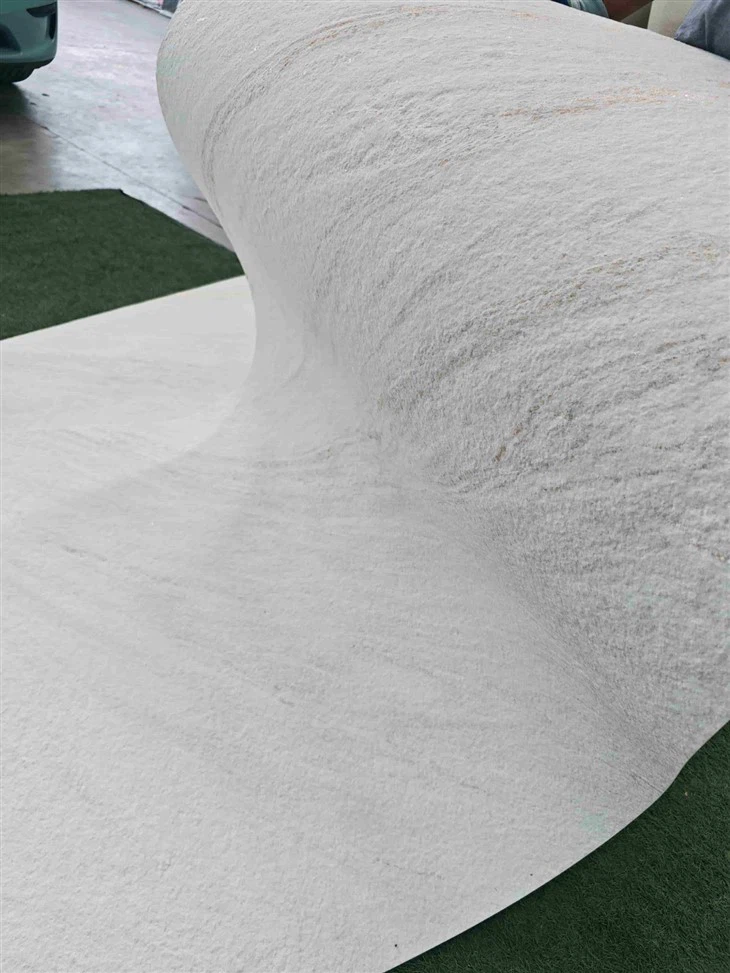
The thickness of ultra thin marble sheets is a defining characteristic. Generally, as the thickness of a material decreases, its water permeability may increase because there is less material to impede the flow of water. However, our manufacturing process is designed to counteract this effect. We use advanced techniques to treat the marble sheets, which helps to seal the pores and reduce water penetration. Our Ultra Thin Marble Sheets are typically between 2 - 5mm thick, yet we manage to maintain a reasonable level of water resistance through our specialized treatments.
3. Surface Treatments
Another important factor is the surface treatment applied to the ultra thin marble sheets. We offer several types of surface treatments that can significantly affect water permeability. One common treatment is a sealant. The sealant forms a protective layer on the surface of the marble, preventing water from entering the pores. There are different types of sealants available, such as penetrating sealants and topical sealants. Penetrating sealants are absorbed into the marble, sealing the pores from the inside, while topical sealants form a visible layer on the surface. Our team of experts can recommend the most suitable sealant based on the specific application and the type of marble used.
Testing the Water Permeability of Ultra Thin Marble Sheets
Before our Ultra Thin Marble Sheets reach the market, they undergo rigorous testing to ensure their water permeability meets industry standards. We use a variety of test methods, including the ASTM C97 standard test method for absorption and bulk specific gravity of dimension stone. This test measures the amount of water absorbed by the marble sample after it has been soaked in water for a specified period. By comparing the weight of the dry sample with the weight of the wet sample, we can calculate the water absorption rate.
In addition to laboratory tests, we also conduct real - world simulations. We expose the marble sheets to different environmental conditions, such as continuous spraying of water, high humidity, and freeze - thaw cycles. These tests help us to understand how the marble will perform in actual use and make any necessary adjustments to our manufacturing process or surface treatments.
Applications and the Importance of Low Water Permeability
1. Exterior Wall Decoration
For exterior wall decoration, low water permeability is essential. Our Flexible Marble Veneer For Wall Decoration is designed to withstand harsh weather conditions. When water penetration is minimized, the risk of damage from freezing and thawing cycles is reduced. In cold climates, water that freezes inside the marble can expand and crack the stone. With our low - water - permeability ultra thin marble sheets, this risk is significantly decreased, ensuring the long - term durability and aesthetic appeal of the building facade.
2. Interior Wall Decoration
In interior applications, low water permeability is also highly desirable. Our Flexible Natural Thin Stone for Interior Wall Decoration is often used in bathrooms, kitchens, and other areas where there is a lot of moisture. A marble sheet with low water permeability is less likely to absorb water and develop stains or other water - related issues. This helps to keep the interior walls looking clean and beautiful for years to come.
Our Commitment to Quality and Performance
As a supplier of Ultra Thin Marble Sheets, we are committed to providing our customers with products of the highest quality. We invest heavily in research and development to continuously improve the water permeability and other properties of our marble sheets. Our production facilities are equipped with the latest technology, allowing us to produce sheets with consistent quality and performance.
We also offer comprehensive technical support to our customers. Whether you are an architect, a contractor, or a homeowner, our team of experts can provide you with detailed information about the water permeability of our products and help you select the most suitable marble sheets for your project.
Conclusion
The water permeability of ultra thin marble sheets is a critical property that affects their performance and durability in both interior and exterior applications. At our company, we take great care to ensure that our Ultra Thin Marble Sheets have low water permeability through careful raw material selection, advanced manufacturing processes, and appropriate surface treatments.
If you are in the market for high - quality ultra thin marble sheets and want to learn more about our products' water permeability or discuss your specific project requirements, we welcome you to contact us for a purchasing consultation. We look forward to the opportunity to work with you and help you achieve your design goals with our luxurious and durable marble solutions.
References
- ASTM C97 - Standard Test Methods for Absorption and Bulk Specific Gravity of Dimension Stone.
- "Marble: Properties, Uses, and Care" by Stone Industry Association Publications.


