


Hey there! As a supplier of thin sandstone veneer, I've had my fair share of experiences when it comes to handling and transporting this beautiful material. In this blog post, I'm gonna share some tips and tricks that I've picked up over the years to help you manage these processes like a pro.
Understanding Thin Sandstone Veneer
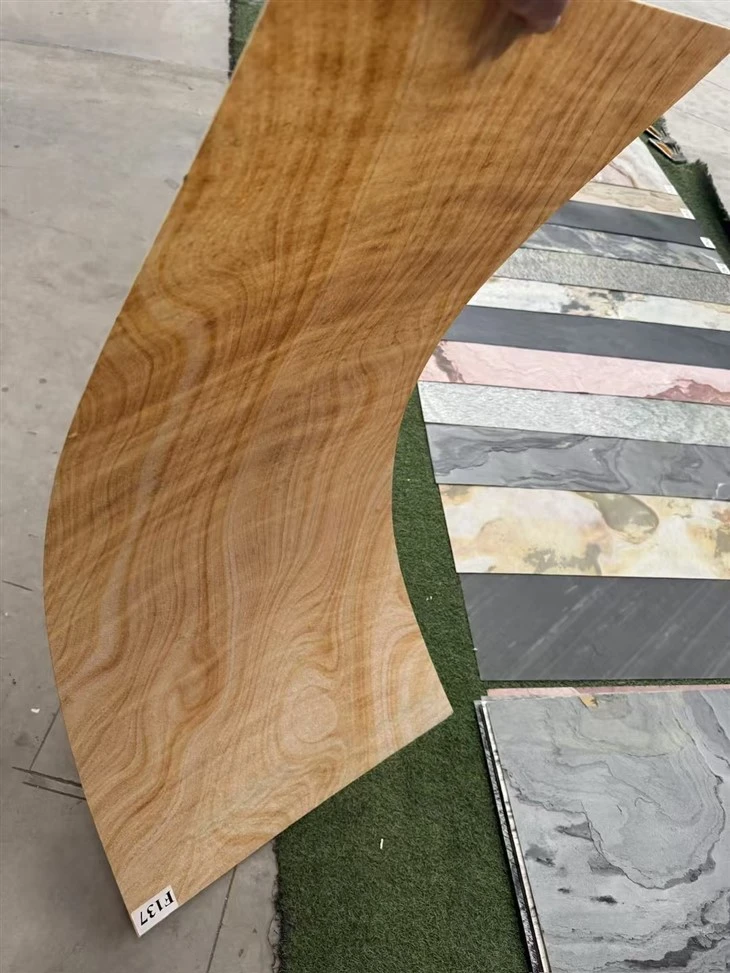
First off, let's talk a bit about what thin sandstone veneer is. It's a super - cool building material that gives you the look and feel of natural sandstone at a fraction of the weight and cost. You can use it for all sorts of projects, from interior wall cladding to exterior facades. The Sandstone Thin Veneer Stacked Stone is a popular option that adds a rustic and natural charm to any space. And if you're looking for something more modern, the Sandstone Cladding Panels are a great choice.
Handling Thin Sandstone Veneer
When it comes to handling thin sandstone veneer, the key thing is to be gentle. This stuff is relatively fragile, and a little bit of carelessness can lead to cracks or chips.

Before Handling
Before you even touch the veneer, make sure you've got the right tools and equipment. You'll need gloves to protect your hands from sharp edges and to prevent fingerprints on the stone. Also, have a clean, flat surface ready where you can lay out the veneer. This could be a workbench or a large piece of plywood.
Lifting and Moving
When you're lifting the veneer, always use two hands. Grab it from the edges, not the middle, to distribute the weight evenly. Avoid twisting or bending the veneer while you're moving it. If you need to move a large number of pieces, consider using a dolly or a pallet jack. But make sure the veneer is properly secured on the dolly to prevent it from sliding or falling.
Stacking
If you need to stack the veneer, do it carefully. Place a piece of cardboard or a soft material between each layer to prevent scratching. Stack the pieces in a stable way, making sure the stack doesn't get too tall. A stack that's too high can easily topple over, causing damage to the veneer.
Pre - Transport Preparation
Before you load the thin sandstone veneer onto a truck or any other means of transport, there are a few things you need to do.
Cleaning
Clean the veneer thoroughly. Remove any dust, dirt, or debris that might have accumulated on the surface. This not only makes the veneer look better but also helps prevent any scratches during transport. You can use a soft brush or a damp cloth to clean it.
Packaging
Proper packaging is crucial for protecting the veneer during transport. Wrap each piece individually in bubble wrap or foam padding. Then, place the wrapped pieces in a sturdy cardboard box. Fill any empty spaces in the box with packing peanuts or crumpled paper to prevent the pieces from shifting.
Labeling
Label the boxes clearly. Write down the type of veneer, the quantity, and any special handling instructions. This makes it easier for the transport team to handle the boxes correctly.
Transporting Thin Sandstone Veneer
Now, let's talk about transporting the veneer. The goal here is to get it from point A to point B without any damage.
Choosing the Right Vehicle
Select a vehicle that's appropriate for the size and quantity of the veneer you're transporting. A truck with a flatbed or a closed - body van is usually a good choice. Make sure the vehicle is clean and free of any sharp objects that could damage the veneer.
Loading the Vehicle
When you're loading the boxes onto the vehicle, stack them carefully. Place the heavier boxes at the bottom and the lighter ones on top. Use straps or ropes to secure the boxes in place. This prevents them from moving around during transit.
Driving Considerations
If you're the one driving the vehicle, drive carefully. Avoid sudden stops, starts, and turns. These movements can cause the boxes to shift and potentially damage the veneer. Also, watch out for potholes and rough roads. Try to take a route that's as smooth as possible.
Unloading and Inspection
Once the veneer has arrived at its destination, it's time to unload it.
Unloading
Unload the boxes gently. Use the same care as you did when you were loading them. Remove the boxes one by one, and place them on a clean, flat surface.
Inspection
After unloading, inspect each piece of veneer for damage. Look for cracks, chips, or any other signs of wear and tear. If you find any damaged pieces, document them immediately. This is important if you need to file an insurance claim or if you need to contact the supplier for a replacement.
Why Choose Our Thin Sandstone Veneer
At our company, we take pride in providing high - quality thin sandstone veneer. Our products are carefully selected and processed to ensure they meet the highest standards. We offer a wide range of styles and colors, so you can find the perfect veneer for your project. And we're always here to provide you with expert advice on handling and transporting the veneer.
Contact Us for Procurement
If you're interested in purchasing our thin sandstone veneer, we'd love to hear from you. Whether you're a contractor working on a large - scale project or a homeowner doing a DIY renovation, we can provide you with the right quantity and type of veneer you need. Just reach out to us, and we'll start the procurement process together.
References
- "Stone Masonry Handbook" by John Doe
- "Building Materials and Construction Methods" by Jane Smith
So, there you have it! Those are my tips on how to handle and transport thin sandstone veneer. I hope this blog post has been helpful to you. If you have any questions or need more information, feel free to drop me a line.


