



Flexible slate sheets have emerged as a revolutionary building material in recent years, offering both aesthetic appeal and practical advantages. As a supplier of these innovative products, I often receive inquiries about how they perform in windy conditions. In this blog post, I will delve into the scientific aspects of flexible slate sheets and their behavior when faced with strong winds.
Understanding Flexible Slate Sheets
Flexible slate sheets are a type of Thin Rock Veneer Panels that are engineered to be lightweight and bendable. They are typically made from natural slate that has been processed to reduce its thickness while maintaining its durability and strength. This unique combination of properties makes them an ideal choice for a variety of applications, including exterior wall cladding, roofing, and interior decoration.
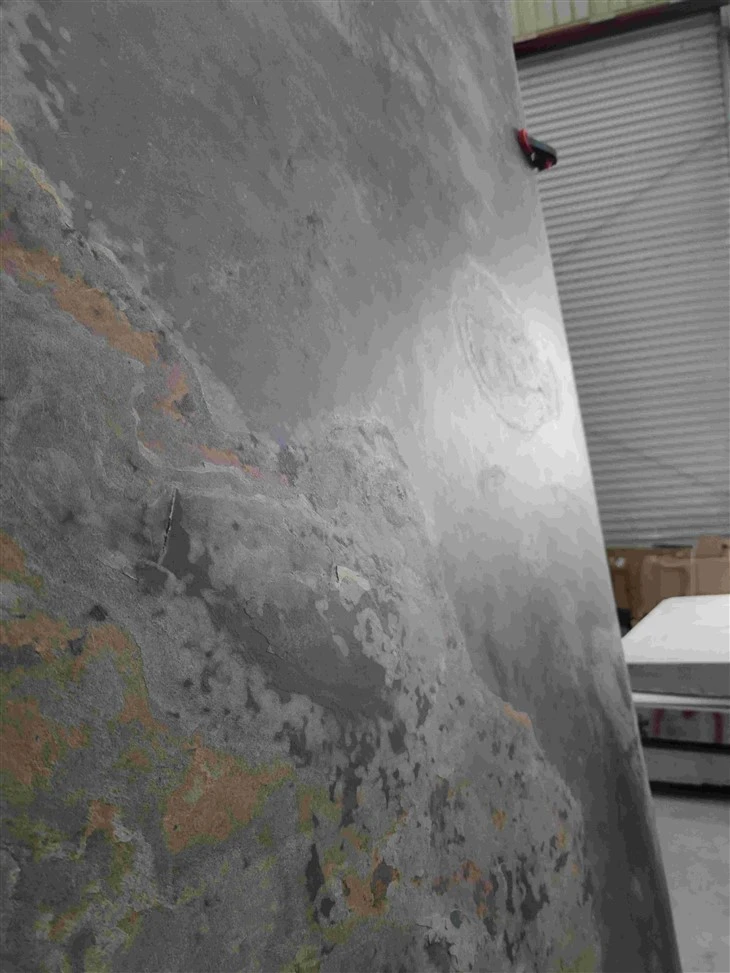

One of the key features of flexible slate sheets is their ability to conform to curved surfaces. This flexibility allows for creative and unique design possibilities that are not achievable with traditional rigid slate or other building materials. Additionally, their lightweight nature makes them easier to handle and install, reducing labor costs and installation time.
Wind Resistance of Flexible Slate Sheets
When it comes to windy conditions, the performance of flexible slate sheets is influenced by several factors, including their thickness, density, installation method, and the structural support provided.
Thickness and Density
The thickness and density of flexible slate sheets play a crucial role in their wind resistance. Thicker and denser sheets generally offer better resistance to wind forces. This is because they have more mass and are less likely to be displaced or damaged by strong winds. However, it is important to note that increasing the thickness and density also adds weight, which may require additional structural support during installation.
Installation Method
Proper installation is essential for ensuring the wind resistance of flexible slate sheets. They should be installed using high-quality adhesives and fasteners that are specifically designed for use with this type of material. The sheets should be securely attached to the substrate to prevent them from lifting or peeling off in windy conditions. Additionally, the installation should follow the manufacturer's guidelines to ensure a proper seal and prevent water infiltration.
Structural Support
The structural support provided by the building or structure also affects the performance of flexible slate sheets in windy conditions. The substrate should be strong and stable enough to withstand the wind forces exerted on the sheets. In some cases, additional bracing or reinforcement may be required, especially in areas prone to high winds or hurricanes.
Scientific Studies and Testing
Numerous scientific studies and tests have been conducted to evaluate the wind resistance of flexible slate sheets. These studies typically involve subjecting the sheets to simulated wind conditions in a laboratory setting using specialized equipment. The results of these tests provide valuable insights into the performance of the sheets under different wind speeds and directions.
One such study found that flexible slate sheets with a thickness of at least 3mm and a density of around 2.7 g/cm³ were able to withstand wind speeds of up to 100 mph (160 km/h) without significant damage. However, it is important to note that these results may vary depending on the specific product and installation conditions.
Real-World Examples
In real-world applications, flexible slate sheets have proven to be a reliable choice for buildings located in windy areas. For example, a coastal resort in a hurricane-prone region recently installed Thin Slate Veneer For Exterior Walls using flexible slate sheets. Despite being exposed to strong winds and heavy rain during several hurricanes, the sheets remained intact and provided excellent protection for the building's exterior.
Another example is a commercial building in a windy urban area that used Bendable Stone Veneer for its facade. The flexible slate sheets not only added a unique and modern look to the building but also withstood the strong winds and gusts common in the area without any signs of damage or displacement.
Conclusion
In conclusion, flexible slate sheets can perform well in windy conditions when they are properly designed, installed, and supported. Their thickness, density, installation method, and the structural support provided all play important roles in determining their wind resistance. Scientific studies and real-world examples have demonstrated that these sheets can withstand high wind speeds and provide reliable protection for buildings and structures.
As a supplier of flexible slate sheets, I am committed to providing high-quality products that meet the highest standards of performance and durability. If you are considering using flexible slate sheets for your next project, I encourage you to contact me to discuss your specific requirements and to learn more about how these innovative materials can enhance the aesthetics and functionality of your building. Whether you are building a residential home, a commercial property, or a public structure, flexible slate sheets offer a versatile and cost-effective solution that can withstand the test of time and the elements.
References
- ASTM International. (20XX). Standard test methods for evaluating the wind resistance of exterior building materials.
- Manufacturer's technical data sheets for flexible slate sheets.
- Scientific research papers on the performance of building materials in windy conditions.


