


Hey there! As a supplier of Thin Stone Cladding, I often get asked the question: "Does thin stone cladding require sealing?" Well, let's dive right into it and break it down.
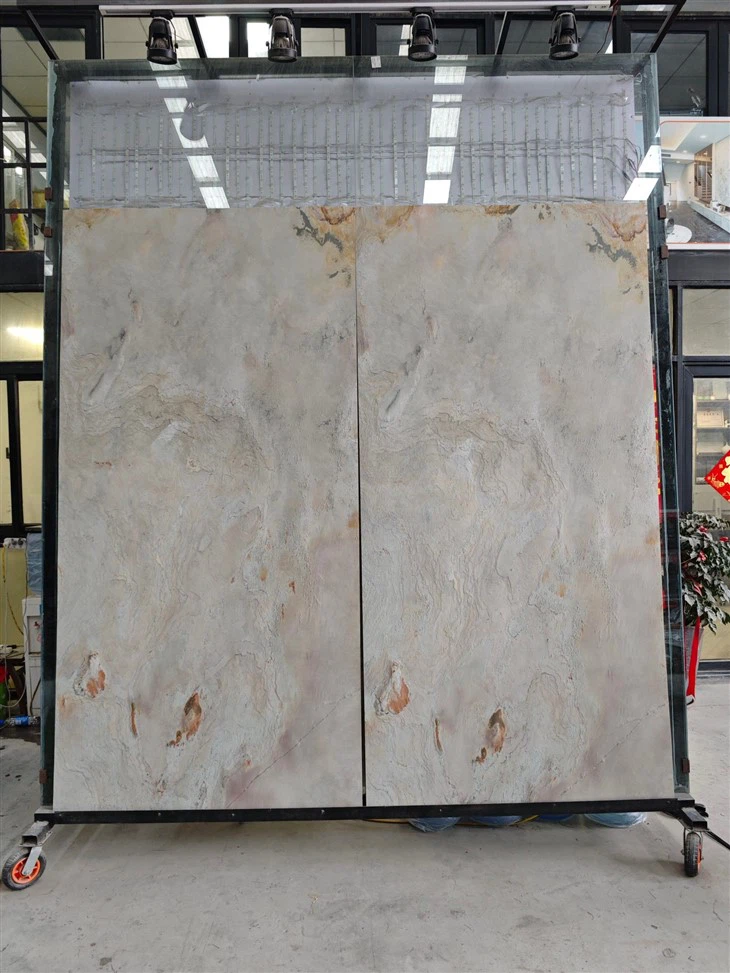
First off, what exactly is thin stone cladding? It's a super - cool option for adding a natural and stylish look to various surfaces. We offer a range of products like Lightweight Thin Cut Stone Veneer, Natural Flexible Stone Veneer, and Thin Cut Natural Stone Veneer. These thin stone claddings are not only aesthetically pleasing but also relatively easy to install compared to full - sized stones.
Now, back to the big question: sealing. Whether thin stone cladding needs sealing depends on a few factors.
Porosity of the Stone
One of the main things to consider is the porosity of the stone. Some stones are more porous than others. For example, limestone and sandstone tend to be quite porous. Porous stones can absorb water, dirt, and stains more easily. If you're using a porous thin stone cladding on an exterior surface, say a building facade that's exposed to the elements, sealing can be a great idea.
Sealing a porous thin stone cladding creates a protective barrier. It stops water from seeping into the stone, which can prevent issues like cracking due to freeze - thaw cycles. When water gets into the pores of the stone and then freezes, it expands, and over time, this can cause the stone to break apart. A good sealant also helps keep dirt and stains at bay. You won't have to worry as much about that coffee spill on an interior stone - clad wall or the grime that builds up on an exterior wall over time.
On the other hand, stones like granite are less porous. They have a lower tendency to absorb water and stains. In some cases, you might not need to seal a thin granite cladding, especially if it's used in a low - traffic or low - moisture area. But even with less porous stones, sealing can still offer some benefits. It can enhance the color and give the stone a more vibrant and polished look.
Location of Installation
The location where the thin stone cladding is installed plays a huge role.
Exterior Installations
For exterior applications, sealing is often recommended. As I mentioned earlier, the weather can be tough on the stone. Rain, snow, and UV rays can all take a toll. Sealing helps protect the stone from weathering. It can prevent discoloration caused by the sun's UV rays and also stop water damage.
If you're using thin stone cladding on a patio or a walkway, it's going to be exposed to foot traffic, dirt, and maybe even spills from drinks or food. A sealant can make the surface easier to clean and more resistant to wear and tear.
Interior Installations
In interior settings, the need for sealing varies. In a bathroom or a kitchen, where there's a lot of moisture and potential for spills, sealing is a smart move. A thin stone cladding on a kitchen backsplash can get splashed with oil, water, and food stains. A good sealant will make it easier to wipe clean and prevent the stains from penetrating the stone.
In a living room or a hallway, where the moisture levels are lower and the risk of stains is less, sealing might not be as crucial. However, if you want to give the stone a long - lasting shine and protect it from any accidental spills, sealing can still be a good option.
Type of Sealant
If you decide to seal your thin stone cladding, choosing the right sealant is important. There are two main types: penetrating sealants and topical sealants.
Penetrating sealants are absorbed into the pores of the stone. They don't change the appearance of the stone much and provide a more natural look. They're great for protecting the stone from within and are often used for porous stones.
Topical sealants, on the other hand, form a layer on top of the stone. They can give the stone a glossy or matte finish, depending on your preference. Topical sealants are more visible and can enhance the color of the stone. They also offer good protection against stains and scratches but might require more maintenance over time.
How to Seal Thin Stone Cladding
If you're new to sealing, don't worry. It's not too complicated.
First, you need to clean the stone thoroughly. Use a mild stone cleaner and a soft brush or cloth to remove any dirt, dust, or debris. Let the stone dry completely.
Next, apply the sealant according to the manufacturer's instructions. You can use a brush, roller, or sprayer, depending on the type of sealant and the size of the area. Make sure to apply an even coat and let it dry. You might need to apply multiple coats for maximum protection.
After the sealant has dried, test it. You can do a simple water test. Drop a little water on the stone. If the water beads up, it means the sealant is working. If the water soaks in, you might need to apply another coat.

Maintenance After Sealing
Once you've sealed your thin stone cladding, maintenance is still important. You'll need to clean the stone regularly with a mild cleaner. Avoid using harsh chemicals or abrasive cleaners, as they can damage the sealant.
Over time, the sealant will wear off, especially in high - traffic areas. You'll need to re - seal the stone periodically. How often you need to re - seal depends on the type of stone, the location of installation, and the type of sealant used. In general, for exterior applications, you might need to re - seal every 1 - 3 years, while for interior applications, it could be every 3 - 5 years.
Cost - Benefit Analysis
Sealing thin stone cladding does come with a cost. There's the cost of the sealant itself and the labor if you're hiring someone to do the job. However, when you think about the long - term benefits, it can be well worth it.
The cost of replacing damaged or stained thin stone cladding can be much higher than the cost of sealing and maintaining it. Sealing can extend the lifespan of the stone, keep it looking good, and save you money in the long run.
Conclusion
So, does thin stone cladding require sealing? It depends on the stone's porosity, the location of installation, and your personal preferences. In many cases, especially for exterior and high - moisture interior applications, sealing is a good idea. It offers protection, enhances the appearance, and makes the stone easier to maintain.
If you're considering using thin stone cladding for your next project and have questions about sealing or any of our products like Lightweight Thin Cut Stone Veneer, Natural Flexible Stone Veneer, or Thin Cut Natural Stone Veneer, feel free to reach out. We're here to help you make the best decision for your project. Whether you're an architect, a contractor, or a DIY enthusiast, we can provide you with all the information and support you need. Let's start a conversation and see how our thin stone cladding can transform your space!
References
- "Stone Masonry: Design, Detailing, and Construction" by John P. Harris
- "The Complete Guide to Stone Veneer Installation" by DIY Network


