


Thin marble veneer has become an increasingly popular choice for both residential and commercial applications due to its aesthetic appeal, versatility, and cost - effectiveness compared to traditional full - thickness marble slabs. As a supplier of high - quality thin marble veneer, I often get asked the question: Does thin marble veneer require special maintenance? In this blog, I'll delve into this topic in detail.
Understanding Thin Marble Veneer
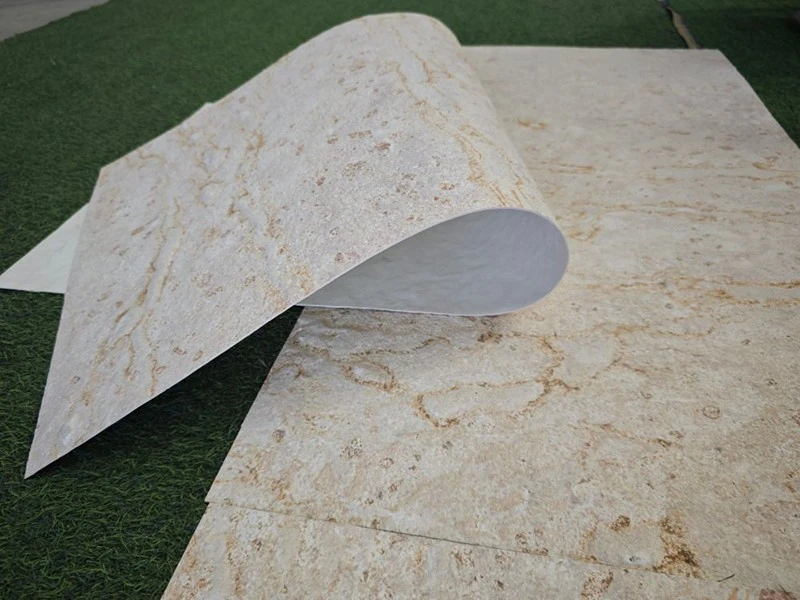
Before discussing maintenance, it's essential to understand what thin marble veneer is. Thin marble veneer is a slice of natural marble that is cut much thinner than traditional slabs, typically ranging from 3mm to 10mm in thickness. This reduced thickness makes it lighter, easier to handle, and more cost - efficient to transport and install. Our company offers a wide range of products, including Ultra Thin Marble Sheets, Natural Marble Veneer For Interior Walls, and Thin Marble Wall Panels.
General Maintenance Requirements
In many ways, the maintenance of thin marble veneer is similar to that of traditional marble. Marble is a natural stone composed mainly of calcium carbonate, which means it is susceptible to certain environmental factors.
Cleaning
Regular cleaning is crucial to keep thin marble veneer looking its best. A simple solution of warm water and a mild, pH - neutral cleaner is usually sufficient for routine cleaning. Avoid using abrasive cleaners, acidic substances (such as vinegar, lemon juice, or commercial cleaners with a low pH), or harsh chemicals. These can etch the surface of the marble, dulling its finish and making it more porous and prone to staining.

To clean, dampen a soft, lint - free cloth or mop in the cleaning solution and gently wipe the surface of the veneer. Make sure to remove any dirt, dust, or spills promptly. After cleaning, rinse the surface thoroughly with clean water to remove any residue and then dry it with a soft towel. This helps prevent water spots and streaks from forming.
Stain Prevention
Marble is porous, and thin marble veneer is no exception. Spills should be cleaned up immediately to prevent staining. Common culprits for stains include red wine, coffee, tea, oil, and acidic foods. If a spill occurs, blot the area with a clean, absorbent cloth as soon as possible. Do not rub, as this can spread the spill and force it deeper into the pores of the marble.
For more stubborn stains, a poultice can be used. A poultice is a paste made from a porous material (such as flour or baking soda) and a liquid (such as hydrogen peroxide for organic stains or a commercial poultice powder). Apply the poultice to the stain, cover it with plastic wrap to prevent evaporation, and let it sit for several hours or overnight. The poultice will draw the stain out of the marble. Once the poultice has dried, gently remove it and clean the area with the mild cleaning solution.
Scratch Prevention
Although marble is a relatively hard stone, it can still be scratched. To prevent scratches, use coasters under glasses and place felt pads under furniture legs. Avoid dragging heavy objects across the marble surface. If a scratch does occur, it may be possible to buff it out with a fine - grit sandpaper and a marble polishing compound, but this should be done carefully to avoid further damage.
Special Considerations for Thin Marble Veneer
While the general maintenance principles are the same as for traditional marble, there are some special considerations for thin marble veneer due to its reduced thickness.
Installation - Related Maintenance
Proper installation is crucial for the long - term performance of thin marble veneer. If the installation is not done correctly, it can lead to issues such as cracking or delamination. During the installation process, the substrate must be clean, flat, and stable. Any unevenness in the substrate can cause stress on the thin veneer, leading to cracks over time.
After installation, it's important to allow the adhesive to fully cure according to the manufacturer's instructions. This may take several days, during which time the surface should not be subjected to heavy traffic or stress.
Edge Protection
The edges of thin marble veneer are more vulnerable compared to full - thickness slabs. They can be chipped or damaged more easily. When handling or installing thin marble veneer, special care should be taken to protect the edges. After installation, consider using edge guards or trim pieces to provide additional protection.
Temperature and Humidity
Thin marble veneer can be more sensitive to temperature and humidity changes compared to thicker slabs. Extreme temperature fluctuations can cause the veneer to expand and contract, which may lead to cracking. In areas with high humidity, there is a risk of mold and mildew growth on the surface of the marble.
To mitigate these risks, maintain a relatively stable indoor environment. Use a dehumidifier in humid areas and ensure proper ventilation. In cold climates, avoid sudden temperature changes, such as placing hot objects directly on the marble surface.
Sealing
Sealing is an important part of marble maintenance, and this applies to thin marble veneer as well. A good quality sealer can help protect the marble from stains and moisture. It fills the pores of the marble, making it more resistant to spills and contaminants.
The frequency of sealing depends on several factors, such as the porosity of the marble, the location of the installation (e.g., a kitchen countertop will require more frequent sealing than a wall panel), and the amount of traffic or use. As a general rule, thin marble veneer should be sealed every 1 - 2 years. However, it's a good idea to test the need for sealing periodically by dropping a small amount of water on the surface. If the water beads up, the sealer is still effective. If the water is absorbed, it's time to reseal.
Conclusion
In conclusion, thin marble veneer does require some special maintenance considerations due to its reduced thickness, but with proper care, it can maintain its beauty and durability for many years. Regular cleaning, stain prevention, scratch prevention, and proper installation are all essential aspects of maintenance. Sealing the veneer at appropriate intervals and protecting it from extreme temperature and humidity changes will also help ensure its long - term performance.
If you're considering using thin marble veneer in your next project or have any questions about maintenance or our products, I encourage you to reach out. We're here to provide you with the highest quality thin marble veneer and the expertise to help you make the most of it. Contact us to discuss your specific needs and start the procurement process.
References
- "Marble Care and Maintenance Guide" by The Marble Institute of America
- "Natural Stone Maintenance Handbook" by Stone World Magazine


