


Slate stone veneer has long been a favored choice for interior and exterior design due to its natural beauty, durability, and unique texture. As a supplier of high - quality slate stone veneer, we often receive inquiries from customers about whether slate stone veneer fades in the sun. In this blog, we will delve into this topic and provide you with a comprehensive understanding based on scientific knowledge and practical experience.
Understanding Slate Stone Veneer
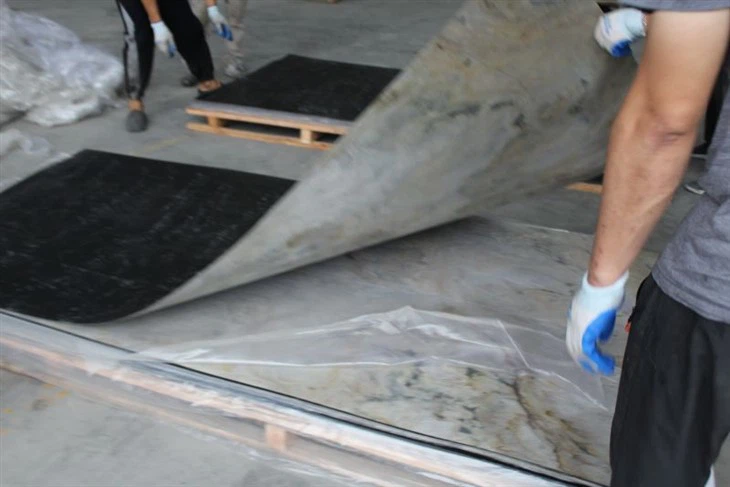
Before discussing the fading issue, it's essential to understand what slate stone veneer is. Slate is a fine - grained, foliated metamorphic rock that is formed by the compression of sedimentary shale. Our slate stone veneer, such as Natural Ultra Thin Stone, Lightweight Stone Panel Sheets, and Natural Thin Slate Veneer Panels, is made from natural slate that is cut into thin sheets. These veneers are then used to mimic the look of full - size slate stones at a fraction of the weight and cost.
Factors Affecting Color Fading
1. Composition of Slate
The color of slate comes from various minerals within the rock. Different types of slate contain different proportions of minerals such as quartz, mica, chlorite, and iron oxides, which contribute to its distinct color. For instance, iron oxides can give slate a reddish or brownish hue, while chlorite may result in a greenish tint. Iron - rich slates are generally more prone to oxidation when exposed to sunlight and air, which can potentially lead to color changes over time.
2. Sun Exposure
The sun emits ultraviolet (UV) rays, which are a major cause of color fading in many materials, including slate stone veneer. UV rays can break down the chemical bonds in the pigments and minerals that give slate its color. The intensity and duration of sun exposure play crucial roles. If the slate veneer is installed in an area that receives direct sunlight for most of the day, the risk of fading is higher compared to a location with partial or indirect sunlight.
3. Environmental Conditions
In addition to sunlight, other environmental factors can affect the color of slate stone veneer. For example, high humidity can accelerate the oxidation process, especially in iron - rich slates. Pollutants in the air, such as sulfur dioxide and nitrogen oxides, can also react with the surface of the slate and cause discoloration.
Scientific Evidence on Fading
Numerous scientific studies have been conducted on the weathering of natural stones, including slate. Some research has shown that over long periods of time, slate can experience some degree of color change when exposed to sunlight. However, the rate of fading is relatively slow compared to many other materials.
A study focused on the durability of building stones found that the color change in slate after 10 years of outdoor exposure was less significant compared to some softer sedimentary rocks. This is because slate has a compact and dense structure, which provides some level of protection against the penetration of UV rays and environmental pollutants.
Our Experience as a Supplier
Based on our years of experience in supplying slate stone veneer, we have observed that the risk of fading can be minimized with proper selection and installation.
1. Quality Selection
We carefully source our slate from quarries known for producing high - quality, color - stable stones. Our team of experts inspects each batch of slate to ensure that it meets our strict quality standards. By choosing slates with a more uniform mineral composition and fewer impurities, we can reduce the likelihood of color fading.
2. Treatment and Coating
In some cases, we offer treatments and coatings for our slate stone veneer to enhance its resistance to fading. These treatments can form a protective layer on the surface of the slate, blocking UV rays and preventing environmental pollutants from reaching the stone. However, it's important to note that these treatments should be applied by professionals to ensure their effectiveness.

3. Installation Considerations
Proper installation is crucial for minimizing fading. We recommend installing slate stone veneer in a way that allows for proper ventilation and drainage. This helps to prevent the accumulation of moisture, which can exacerbate the effects of oxidation and other environmental factors.
Real - life Examples
We have many customers who have installed our slate stone veneer in outdoor applications, such as facades, patios, and garden walls. In most cases, the color of the slate has remained stable over several years. For example, a customer in a sunny coastal area installed our Lightweight Stone Panel Sheets on their patio. After five years of exposure to the sun and salt - laden air, the slate still retained its original color and texture, with only minor signs of weathering.
Conclusion
In conclusion, while slate stone veneer can potentially fade in the sun, the risk can be effectively managed. The natural density and composition of slate provide some inherent resistance to color fading, and with proper selection, treatment, and installation, the color stability of slate stone veneer can be maintained for a long time.
If you are considering using slate stone veneer for your next project, we invite you to contact us for a detailed discussion. Our team of experts is ready to provide you with professional advice and high - quality products. Whether you need Natural Ultra Thin Stone, Lightweight Stone Panel Sheets, or Natural Thin Slate Veneer Panels, we have the right solution for you. Let's start a conversation about how we can bring the beauty of natural slate to your project.
References
- "Durability of Building Stones: A Review", Journal of Building and Construction Materials
- "Weathering of Natural Stones in Outdoor Environments", International Journal of Rock Mechanics and Mining Sciences


