


Can ultra thin stone be used in underground structures? That's a question I get asked a lot as an ultra thin stone supplier. I've seen firsthand the growing interest in using ultra thin stone in various construction projects, and the idea of using it underground is definitely intriguing. In this blog, I'm going to break down the possibilities, challenges, and considerations when it comes to using ultra thin stone in underground structures.
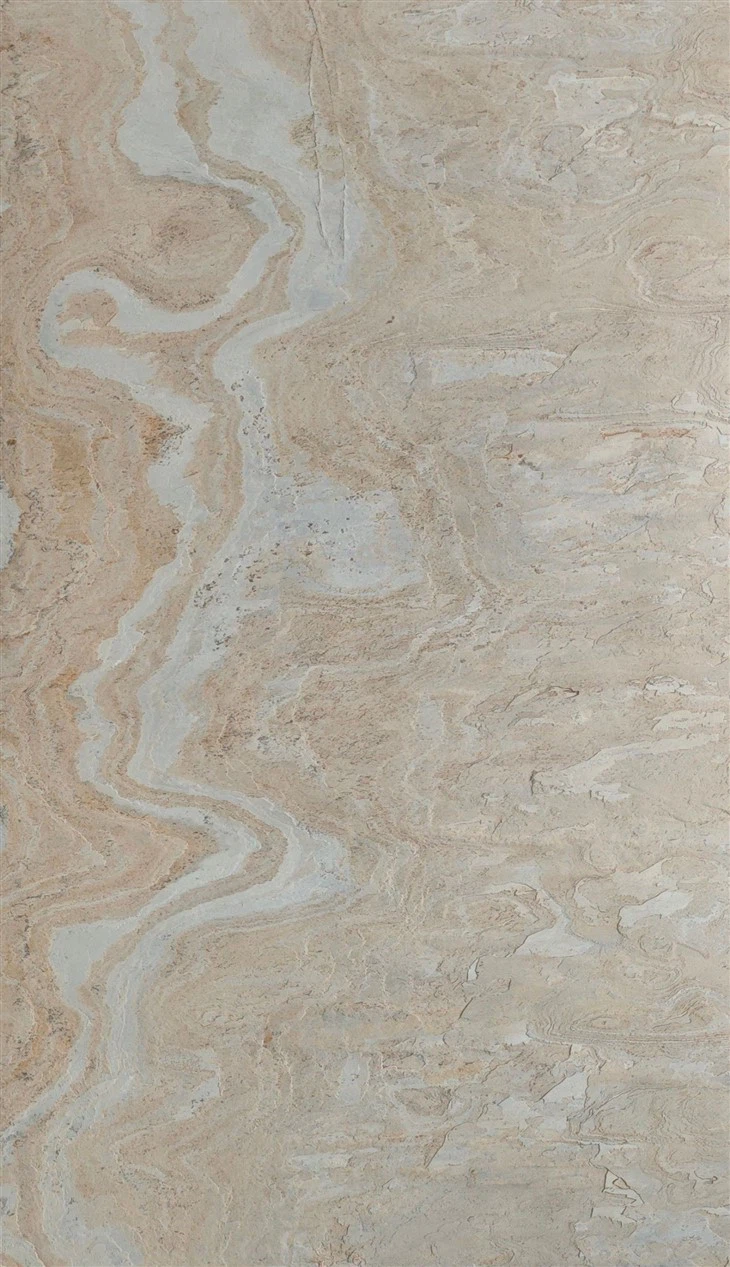
First off, let's talk about what ultra thin stone is. It's basically a thin slice of natural stone that's been cut down to a fraction of its original thickness. This makes it lighter, more flexible, and easier to install compared to traditional thick stone slabs. Ultra thin stone comes in a variety of types, like slate, marble, granite, and limestone, each with its own unique look and properties.
Now, why would someone want to use ultra thin stone in underground structures? Well, for starters, it can add a touch of elegance and sophistication to otherwise dull and utilitarian spaces. Think about a subway station, a basement parking garage, or an underground shopping mall. Instead of plain concrete walls and floors, you could have beautiful stone veneers that create a more inviting and upscale atmosphere.
Another advantage of ultra thin stone is its durability. Natural stone is known for its strength and resistance to wear and tear, and ultra thin stone retains many of these qualities. It can withstand heavy foot traffic, abrasion, and even some degree of moisture, making it suitable for underground environments where these factors are often present.
But before you go ahead and start using ultra thin stone in your underground project, there are a few things you need to consider. One of the biggest challenges is moisture. Underground structures are often subject to high levels of humidity and water seepage, which can cause problems for some types of stone. For example, if the stone is porous, it may absorb water and develop stains, mold, or mildew over time. To prevent this, it's important to choose a stone that's resistant to moisture and to apply a sealant to protect the surface.
Another consideration is the installation process. Installing ultra thin stone in an underground environment can be more challenging than in a traditional above-ground setting. The space may be limited, the surfaces may be uneven, and there may be obstacles such as pipes and wires to work around. It's important to hire a professional installer who has experience working with ultra thin stone and who can ensure that the installation is done correctly.
In addition to moisture and installation, you also need to think about the cost. Ultra thin stone can be more expensive than other types of building materials, and the cost of installation can also add up. However, when you consider the long-term benefits of using a high-quality, durable material, the investment may be worth it.
So, can ultra thin stone be used in underground structures? The answer is yes, but it requires careful planning and consideration. By choosing the right type of stone, taking steps to protect it from moisture, and hiring a professional installer, you can create a beautiful and functional underground space that will last for years to come.
If you're interested in learning more about using ultra thin stone in your underground project, I encourage you to check out our website. We offer a wide range of ultra thin stone products, including Thin Stone Cladding for Exterior Walls, Thin Stone Veneer for Interior Walls, and Natural Slate Veneer For Walls. Our team of experts is also available to answer any questions you may have and to provide you with a free quote.
In conclusion, ultra thin stone has the potential to be a great option for underground structures. It offers a beautiful and durable alternative to traditional building materials, and with the right precautions, it can withstand the challenges of an underground environment. If you're considering using ultra thin stone in your next project, I encourage you to get in touch with us to discuss your options. We'd love to help you create a space that you'll be proud of.
References

- "Stone Selection for Underground Structures." Construction Materials Journal.
- "Moisture Resistance of Natural Stone." Journal of Building Science.
- "Installation Best Practices for Ultra Thin Stone." Professional Installer Magazine.


