



As a supplier of Thin Slate Veneer Panels, I've received numerous inquiries from restaurant owners and designers about the feasibility of using these products in their establishments. This blog post aims to explore the various aspects of using thin slate veneer panels in a restaurant setting, weighing the advantages and potential challenges.

Advantages of Using Thin Slate Veneer Panels in a Restaurant
Aesthetic Appeal
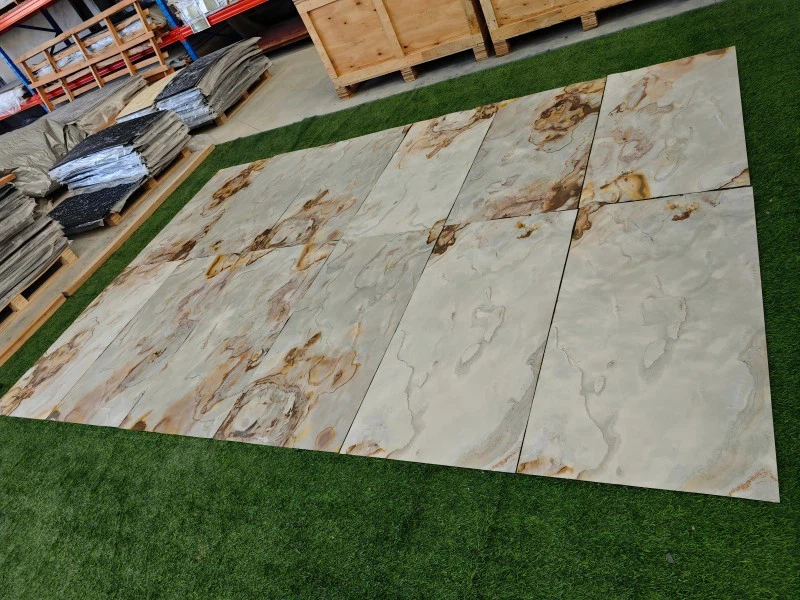
One of the most significant advantages of thin slate veneer panels is their aesthetic appeal. Slate is a natural stone with a unique texture and color variations that can add a touch of elegance and sophistication to any restaurant. Whether you're going for a rustic, industrial, or contemporary look, thin slate veneer panels can be a versatile choice. For example, the natural gray and black tones of slate can create a neutral backdrop that can be easily complemented with other design elements such as furniture, lighting, and artwork.
The thin profile of the veneer panels also allows for more creative installation options. They can be used to cover walls, columns, or even create feature walls, adding visual interest and depth to the restaurant space. You can find a wide range of options at Ultra Thin Stone Panels and Thin Cut Natural Stone Veneer.
Durability
Restaurants are high-traffic areas that experience a lot of wear and tear. Thin slate veneer panels are known for their durability and resistance to scratches, stains, and moisture. This makes them an ideal choice for areas such as the kitchen, bar, or dining area, where spills and messes are common. Slate is also resistant to heat, which means it can be used near stoves or other heat sources without the risk of damage.
Easy Maintenance
Maintaining a clean and hygienic restaurant is essential for the health and safety of customers. Thin slate veneer panels are relatively easy to clean and maintain. Regular wiping with a mild detergent and water is usually sufficient to keep them looking their best. Unlike some other materials, slate does not require special cleaning products or treatments, which can save time and money in the long run.
Cost-Effective
Compared to solid stone slabs, thin slate veneer panels are a more cost-effective option. They are lighter and thinner, which means they require less material and labor to install. This can result in significant cost savings, especially for large-scale projects. Additionally, the durability and long lifespan of slate mean that you won't have to replace the panels frequently, further reducing the overall cost of ownership. You can explore affordable options at Natural Thin Slate Veneer Panels.
Potential Challenges and Considerations
Installation Requirements
While thin slate veneer panels are relatively easy to install, they do require some level of skill and expertise. Improper installation can lead to issues such as cracking, delamination, or uneven surfaces. It's important to hire a professional installer who has experience working with slate veneer panels to ensure a proper and long-lasting installation.
Weight and Structural Considerations
Although thin slate veneer panels are lighter than solid stone slabs, they still add some weight to the structure. Before installing the panels, it's important to consult with a structural engineer to ensure that the walls or surfaces can support the additional weight. This is especially important for older buildings or structures that may have limitations.
Color and Pattern Variations
As a natural stone, slate has inherent color and pattern variations. While this can be an advantage in terms of creating a unique and natural look, it can also be a challenge if you're looking for a consistent color or pattern throughout the restaurant. It's important to carefully select the panels and view samples before making a final decision to ensure that they meet your aesthetic requirements.
Cold Weather Considerations
In colder climates, slate can be prone to cracking if it is exposed to freezing temperatures and moisture. If you're planning to use thin slate veneer panels in an outdoor area or in a restaurant with a cold climate, it's important to take precautions such as using a sealant to protect the panels from moisture and ensuring proper drainage.
Conclusion
In conclusion, thin slate veneer panels can be an excellent choice for restaurants. They offer a combination of aesthetic appeal, durability, easy maintenance, and cost-effectiveness. However, it's important to consider the potential challenges and ensure that proper installation and maintenance procedures are followed.
If you're interested in using thin slate veneer panels in your restaurant, I encourage you to contact me for more information and to discuss your specific needs. I can provide you with samples, pricing, and installation recommendations to help you make an informed decision. Let's work together to create a beautiful and functional restaurant space that will impress your customers.
References
- "Natural Stone for Interior Design." The Stone Institute.
- "Slate: Properties and Uses." Geology.com.
- "Tips for Installing Stone Veneer." HomeAdvisor.


