


In the world of architectural design and construction, ultra thin stone panels have emerged as a revolutionary material, offering a unique blend of aesthetic appeal and practicality. As a leading supplier of ultra thin stone panels, I often encounter a common question from architects, designers, and homeowners alike: Are ultra thin stone panels resistant to scratches? In this blog post, I will delve into this question, exploring the factors that affect the scratch resistance of ultra thin stone panels and providing insights based on scientific knowledge and real-world experience.
Understanding Ultra Thin Stone Panels
Ultra thin stone panels are precisely what their name suggests - thin slices of natural stone that are typically between 3mm and 10mm in thickness. These panels are cut from high-quality natural stones such as marble, granite, slate, and limestone, and are then carefully finished to enhance their appearance and durability. The thinness of these panels makes them lightweight and easy to install, while still retaining the natural beauty and elegance of the original stone.
One of the key advantages of ultra thin stone panels is their versatility. They can be used for a wide range of applications, both indoors and outdoors. For exterior applications, they are an excellent choice for Thin Stone Cladding for Exterior Walls, providing a durable and aesthetically pleasing finish that can enhance the curb appeal of any building. Indoors, they can be used for wall cladding, flooring, backsplashes, and countertops, adding a touch of luxury and sophistication to any space.
Factors Affecting Scratch Resistance
The scratch resistance of ultra thin stone panels depends on several factors, including the type of stone, the finish of the panel, and the environment in which it is installed.
Type of Stone
Different types of natural stone have different levels of hardness and scratch resistance. For example, granite is one of the hardest natural stones, making it highly resistant to scratches. It is formed under extreme heat and pressure, which results in a dense and durable material. Marble, on the other hand, is a softer stone and is more prone to scratching. However, this does not mean that marble is not suitable for use in high-traffic areas. With proper care and maintenance, marble can still look beautiful for many years.
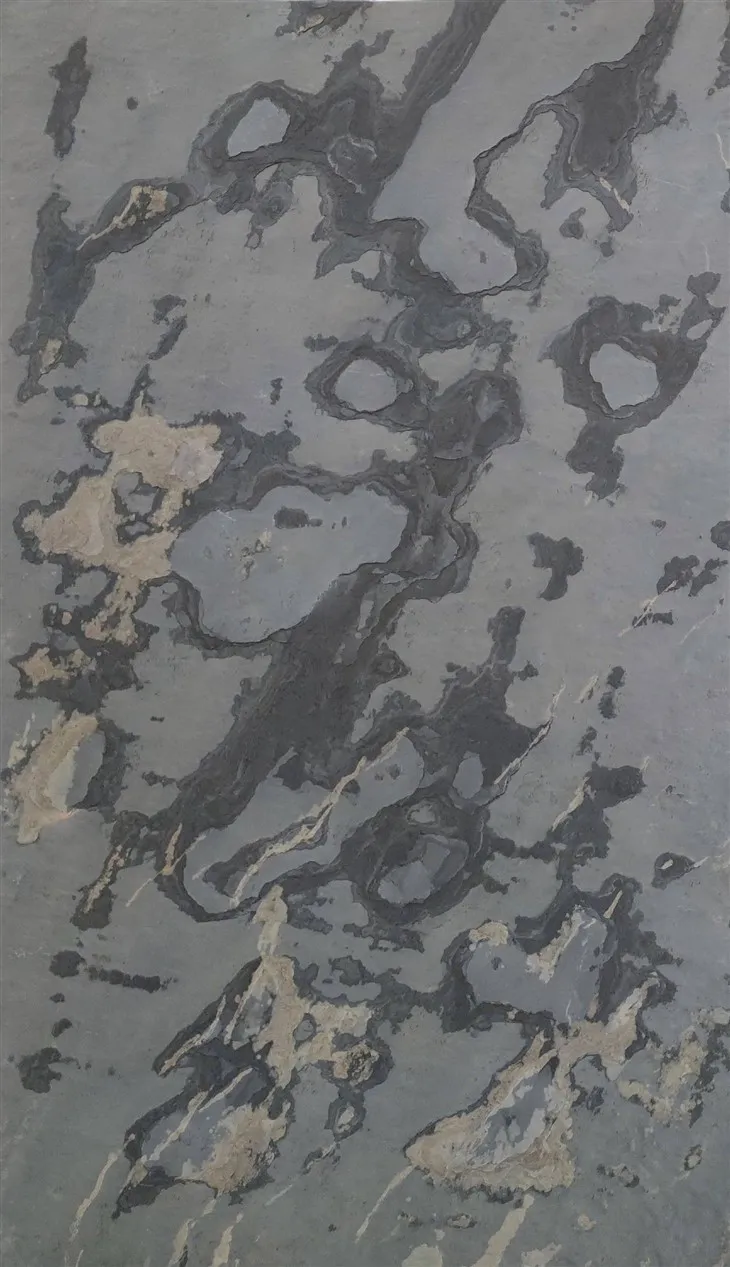
Slate is another popular choice for ultra thin stone panels. It is a metamorphic rock that is known for its durability and resistance to scratches. Slate is also available in a variety of colors and textures, making it a versatile option for both interior and exterior applications. Limestone, while not as hard as granite or slate, can still provide good scratch resistance if it is properly sealed and maintained.
Finish of the Panel
The finish of the ultra thin stone panel can also have a significant impact on its scratch resistance. Polished finishes, which are smooth and shiny, are more likely to show scratches than honed or textured finishes. This is because the smooth surface of a polished finish reflects light, making scratches more visible. Honed finishes, on the other hand, have a matte appearance and are less likely to show scratches. Textured finishes, such as brushed or flamed finishes, can also provide good scratch resistance as the texture helps to hide any minor scratches.
Environment of Installation
The environment in which the ultra thin stone panel is installed can also affect its scratch resistance. In high-traffic areas, such as hallways, kitchens, and commercial spaces, the panels are more likely to be exposed to scratches from furniture, foot traffic, and other sources. In these areas, it is important to choose a stone with high scratch resistance and to take appropriate measures to protect the panels, such as using furniture pads and avoiding dragging heavy objects across the surface.
Outdoor environments can also pose challenges to the scratch resistance of ultra thin stone panels. Exposure to dirt, sand, and other abrasive materials can cause scratches over time. However, if the panels are properly installed and maintained, they can withstand the elements and remain looking beautiful for many years.
Testing the Scratch Resistance of Ultra Thin Stone Panels
To determine the scratch resistance of ultra thin stone panels, several testing methods can be used. One common method is the Mohs scale of mineral hardness, which ranks minerals from 1 (softest) to 10 (hardest). By comparing the hardness of the stone to the Mohs scale, it is possible to get an idea of its scratch resistance. For example, a stone with a hardness of 6 or higher on the Mohs scale is generally considered to be resistant to scratches from most common household items.

Another testing method is the scratch test, which involves using a sharp object to apply pressure to the surface of the stone and observing the results. This test can provide a more accurate assessment of the scratch resistance of the stone in real-world conditions. However, it is important to note that scratch tests should be performed on a small, inconspicuous area of the panel to avoid damaging the surface.
Enhancing the Scratch Resistance of Ultra Thin Stone Panels
While the scratch resistance of ultra thin stone panels is largely determined by the type of stone and the finish, there are several steps that can be taken to enhance their durability and protect them from scratches.
Sealing
Sealing the ultra thin stone panels is an important step in protecting them from scratches and stains. A good quality sealant can create a protective barrier on the surface of the stone, preventing dirt, moisture, and other contaminants from penetrating the pores of the stone. This can also make the surface easier to clean and maintain.
Proper Installation
Proper installation is crucial for ensuring the long-term durability of ultra thin stone panels. The panels should be installed on a flat and stable surface, and the joints should be properly sealed to prevent moisture from seeping in. It is also important to use the correct adhesive and installation methods to ensure that the panels are securely attached to the surface.
Maintenance
Regular maintenance is essential for keeping ultra thin stone panels looking their best. This includes cleaning the panels regularly with a mild detergent and water, avoiding the use of abrasive cleaners or tools, and wiping up spills immediately. It is also a good idea to have the panels resealed periodically to maintain their protective barrier.
Conclusion
In conclusion, the scratch resistance of ultra thin stone panels depends on several factors, including the type of stone, the finish of the panel, and the environment in which it is installed. While some stones are more resistant to scratches than others, with proper care and maintenance, ultra thin stone panels can provide a durable and beautiful solution for a wide range of applications.
As a supplier of ultra thin stone panels, I am committed to providing high-quality products that meet the needs of my customers. If you are considering using ultra thin stone panels in your next project, I encourage you to contact me to discuss your options. I can provide you with more information about the scratch resistance of different types of stone, as well as offer advice on installation and maintenance. Whether you are looking for Thin Stone Cladding for your exterior walls or Thin Slate Veneer Panels for your interior design, I am here to help you make the right choice.
References
- "Stone and Tile Installation Handbook" by John Bridge
- "The Complete Guide to Natural Stone" by David Snell
- "Architectural Stone: A Guide to Selection, Specification, and Design" by Robert G. Selke


